By The Berns Team
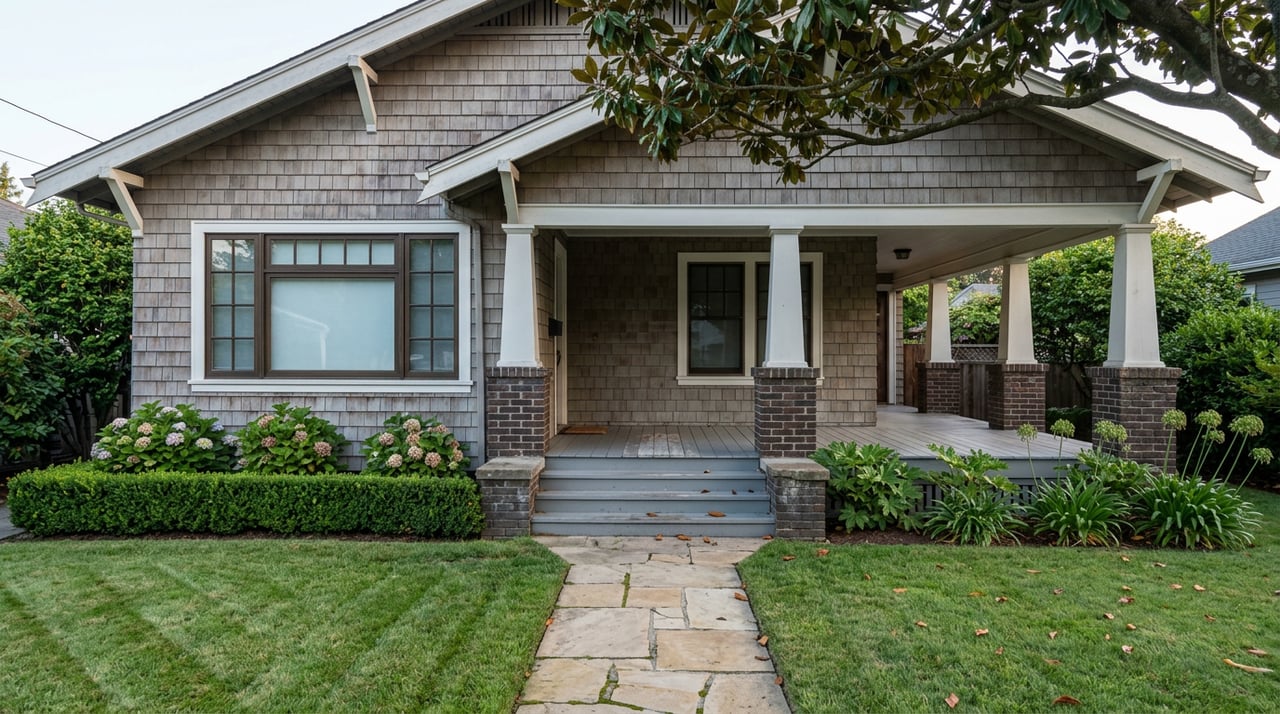
Monrovia doesn't get the national press that Pasadena does, and that's part of what makes it interesting right now. It's the fourth-oldest city in Greater Los Angeles, which means the architectural range here (Craftsman bungalows, Spanish Revival, Victorian, Colonial Revival, American Foursquare) reflects more than a century of building traditions concentrated on streets that still feel like streets. We've spent serious time in both markets, and Monrovia's historic neighborhoods have a quality that buyers who find them tend not to forget.
Key Takeaways
- Monrovia has two formally designated historic districts (Wild Rose Tract and North Encinitas), plus over 169 individual city landmarks
- Mills Act property tax relief is available to qualifying owners and can produce meaningful long-term savings
- The architectural inventory goes well beyond Craftsman: Spanish Revival, Victorian, Tudor Revival, and Colonial Revival all appear within walkable distance of Old Town
- The Monrovia Historic Preservation Group has been active since 1980 and runs an annual homes tour, reflecting a preservation community that actively protects what it has
Two Designated Districts and What They Actually Mean for Buyers
Monrovia's historic preservation infrastructure is more formal than most buyers expect. The Wild Rose Tract Historic District, established in 2008 along the 300 block of Wildrose Avenue, and the North Encinitas Historic District, created in 2017 across the 100 and 200 blocks of North Encinitas, cover some of the city's oldest residential lots. Mature street trees and original sidewalk infrastructure give both corridors a cohesion that newer construction simply can't replicate.
Historic district designation is more permissive in practice than most buyers expect. Day-to-day maintenance, landscaping, interior work, and most repairs proceed without any city involvement. The exterior changes that do require review (additions, window replacements, roofline modifications) are also the changes that most historic home buyers have no desire to make in the first place.
Historic district designation is more permissive in practice than most buyers expect. Day-to-day maintenance, landscaping, interior work, and most repairs proceed without any city involvement. The exterior changes that do require review (additions, window replacements, roofline modifications) are also the changes that most historic home buyers have no desire to make in the first place.
What Buyers Gain from Historic District Status
- Eligibility for Mills Act property tax contracts with the City of Monrovia is particularly valuable after a reassessment to current market value
- Formal protection from incompatible development on adjacent parcels; the city can place a 180-day hold on demolition permits for pre-1940 structures
- Reduced permit fees, parking requirement waivers, and setback flexibility for qualifying historic properties per the LA Conservancy
- A resale buyer pool that trends toward preservation-minded owners, which sustains neighborhood character over time
Architectural Variety That Sets Monrovia Apart
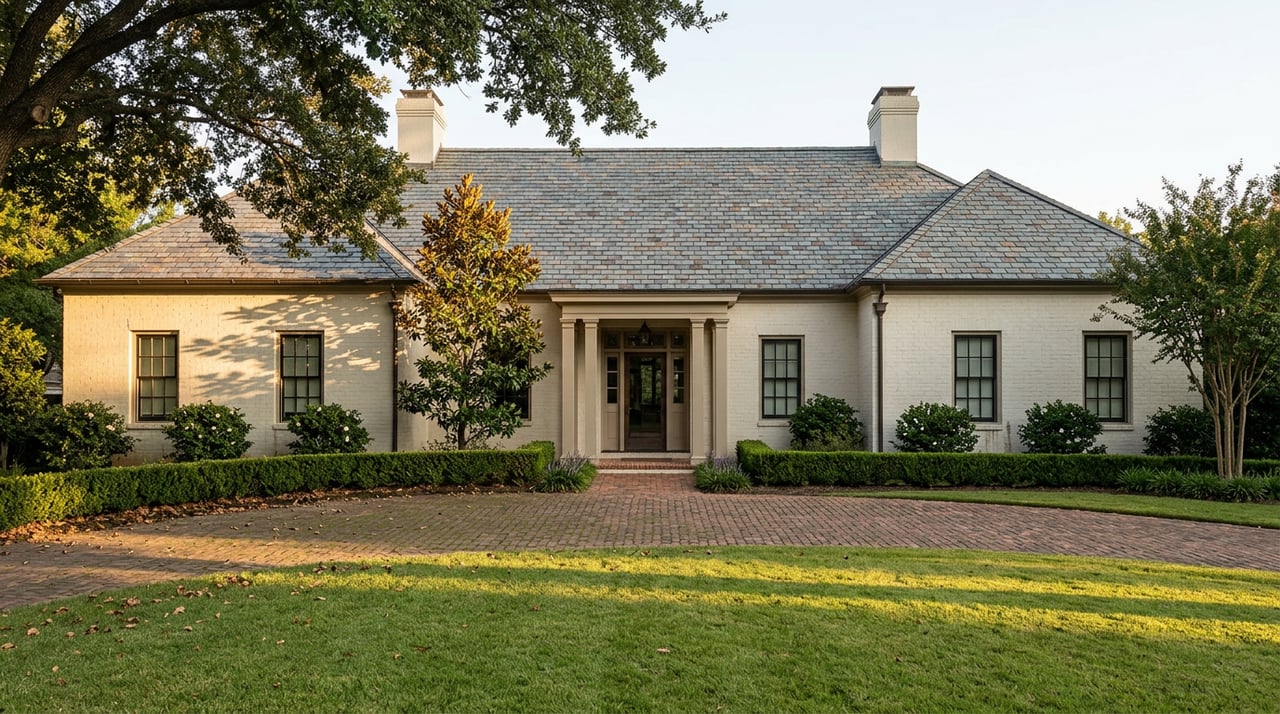
The blocks north of Foothill Boulevard and west of Myrtle Avenue hold the densest concentration of pre-war Craftsman and Spanish Revival stock, but what distinguishes Monrovia from a single-style district is the range. Tudor Revival cottages sit near Old Town. Victorians share blocks with American Foursquares. Mid-century ranch homes in Mayflower Village, south of Foothill between Myrtle and Magnolia, attract buyers who want period character without the full pre-war inspection list. That variety is a major part of why demand here holds steady.
The city has catalogued 169 designated landmarks in total, and the oldest being the C.O. Monroe house at 225 Monroe Place, built in 1884. That depth of inventory, spread across a city of walkable scale, gives buyers real options.
The city has catalogued 169 designated landmarks in total, and the oldest being the C.O. Monroe house at 225 Monroe Place, built in 1884. That depth of inventory, spread across a city of walkable scale, gives buyers real options.
What to Prioritize When Touring Monrovia's Historic Stock
- Homes within the Wild Rose Tract or North Encinitas district boundaries for the full suite of Mills Act and preservation incentives
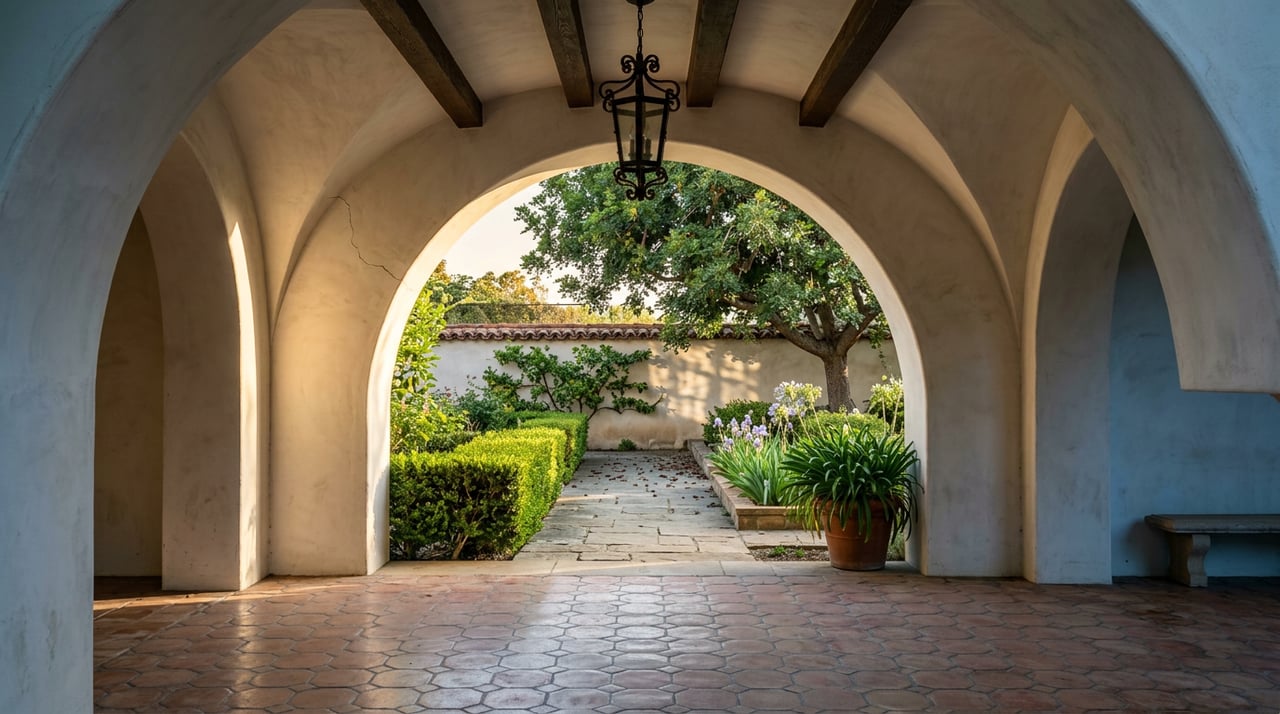
- Spanish Colonial Revival properties near Old Town; less common than Craftsman and consistently sought after when they come to market
- Mayflower Village ranch homes for buyers who want mid-century character with more manageable maintenance profiles
- Intact original windows, built-ins, and porch structures; these elements drive the strongest buyer response and protect resale value more reliably than renovated interiors
Old Town as an Anchor
Walkability to Old Town Monrovia matters in a way specific to this market. It's a functioning small-town business district on Myrtle Avenue with independent restaurants, boutiques, Library Park, and the Friday Night Family Street Fair that has run for decades. Buyers in the historic district aren't just buying architecture; they're buying into a place that has maintained its identity across a century of Southern California change.
Why Old Town Proximity Supports Historic Home Values
- Walkable access to independent retail and dining supports strong buyer demand in the $900K–$1.5M range
- Library Park and the surrounding civic space create a stable anchor for the surrounding residential market
- Metro L Line access at Monrovia Station connects commuters to downtown Pasadena and Los Angeles; increasingly a factor for the millennial buyer demographic, now representing a significant share of local purchases
- Monrovia's history as a filming location keeps the city in cultural circulation among buyers who discover it from outside the immediate region
FAQs
What is the Mills Act and how does it apply to Monrovia's historic homes?
The Mills Act is a California state law that allows cities to enter contracts with qualifying historic property owners, reducing property taxes based on income potential rather than reassessed value. Monrovia offers the program, and it's particularly valuable for recent buyers who've experienced a full reassessment to current market value.
Are homes in Monrovia's historic districts harder to renovate or maintain?
Not meaningfully. Interior work, landscaping, and standard maintenance need no approval from the city. What requires review is exterior changes that would alter the character-defining features, like additions, window replacement, and roofline modifications. For buyers who want to preserve rather than transform, this rarely creates friction.
How does Monrovia's market compare to Pasadena for historic home buyers?
Monrovia offers architectural variety and a smaller-city feel at price points generally below Pasadena, with its own active preservation infrastructure. Pasadena draws buyers specifically seeking nationally recognized districts like Bungalow Heaven. We break down the full comparison in our post on Pasadena vs. Monrovia historic home living.
Reach Out to The Berns Team Today
Monrovia's historic districts are a focus for us; we know which blocks fall within designated boundaries, which properties carry Mills Act contracts, and what separates a well-preserved 1910 Craftsman from one that's been compromised by updates. If this is the kind of home you're looking for, The Berns Team is the right place to start that conversation.
Reach out to us at The Berns Team whenever you're ready, whether you're in early research mode or ready to tour.
Reach out to us at The Berns Team whenever you're ready, whether you're in early research mode or ready to tour.