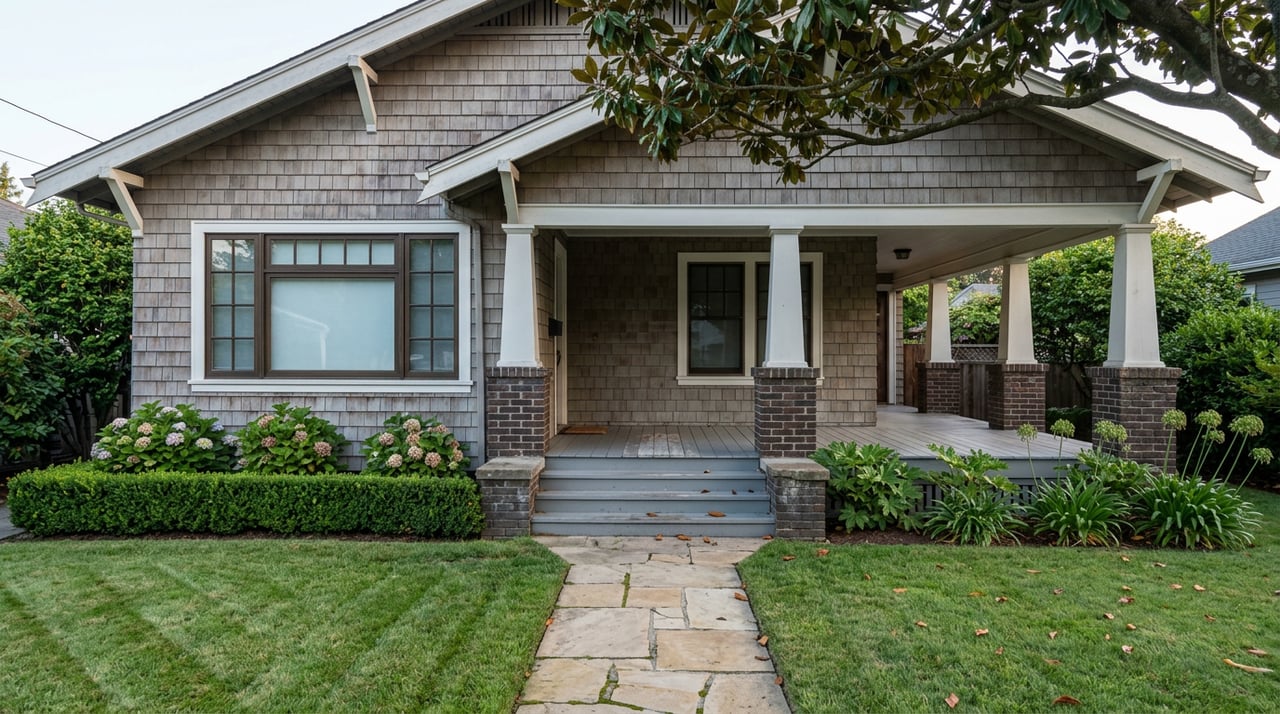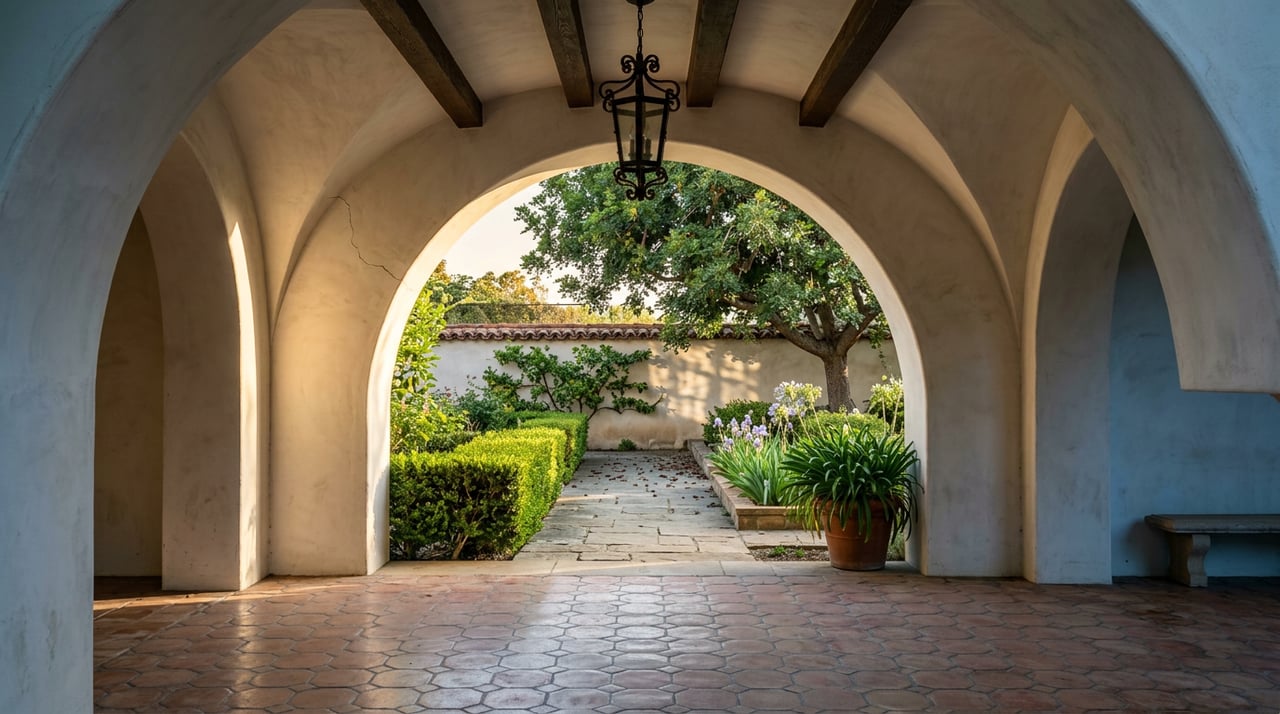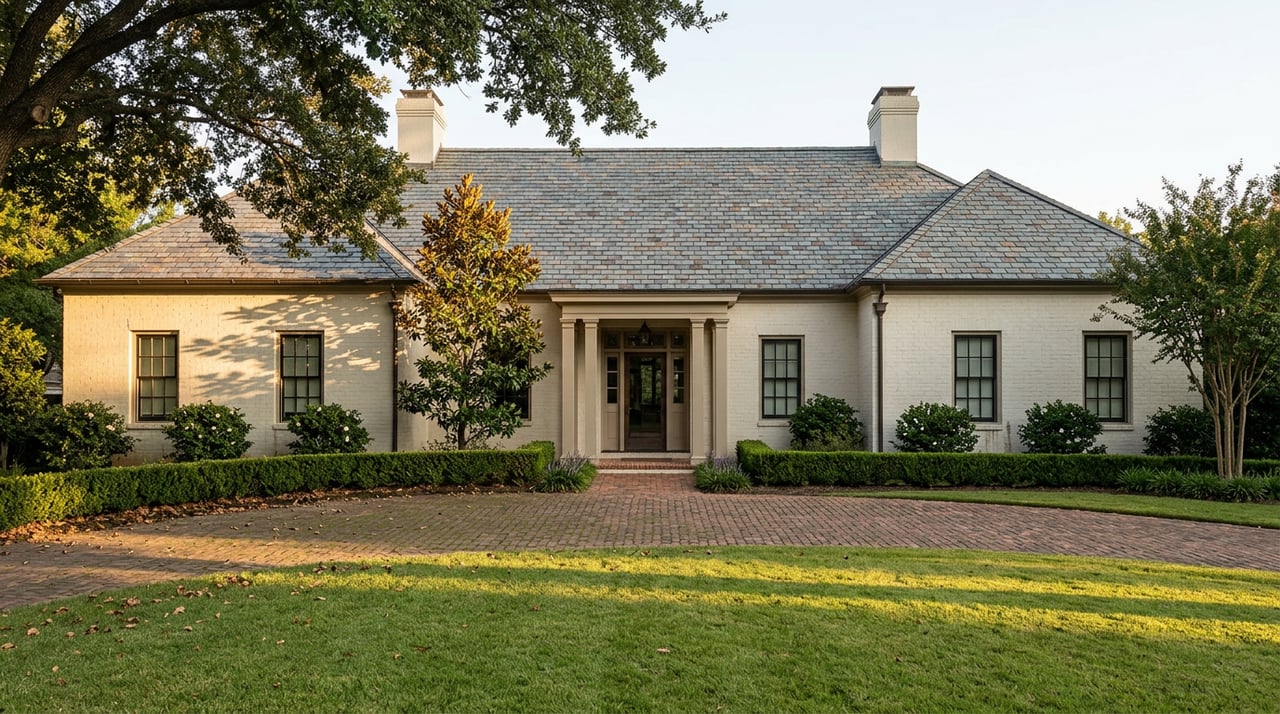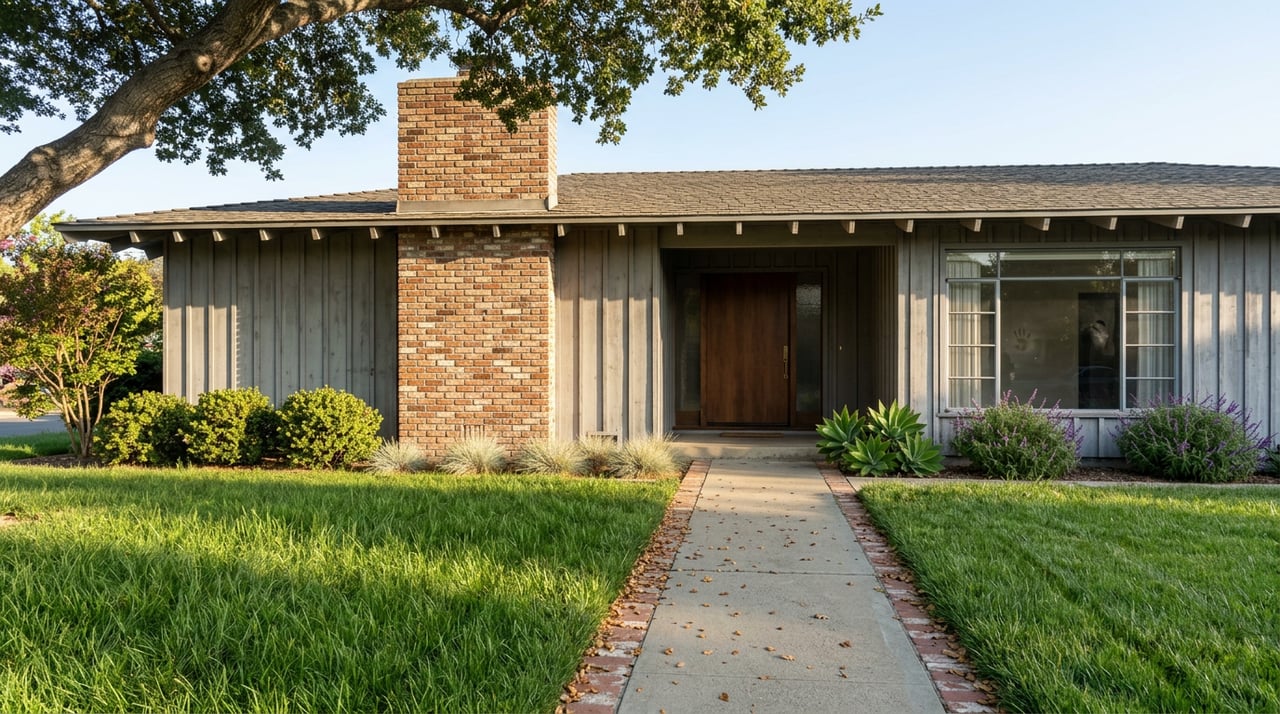
A family looking in Arcadia this summer might see two homes listed within $50,000 of each other. One sits on a quarter-acre in Santa Anita Oaks, walkable to Arcadia High School. The other sits on a full acre in Upper Rancho, on a street lined with mature oaks and camphor trees, a mile and a half away. Same price bracket. Same city name on the listing. Almost nothing else in common.
That gap is the story the median price never tells. Arcadia's headline number, the one that shows up on every portal search, is an average built from at least five neighborhoods that behave like separate markets. Treating it as one number is the fastest way to misjudge what your budget actually buys.
One Median, Five Arcadias
Arcadia's single-family median has been reported at roughly $1.4 million as of mid-August 2026 and closer to $1.8 million in early-2026 reporting, depending on the data source and the exact weeks sampled. That spread alone should be a signal. The city breaks into distinct price tiers that map almost exactly onto geography.
| Sub-market | Typical price range | What sets it apart |
|---|---|---|
| Upper Rancho | $3M to $8M+ | North of Foothill Boulevard, half-acre to full-acre-plus lots, streets close enough to Hugo Reid Elementary for kids to walk |
| Lower Rancho | $2M to $5M | South of Foothill, west of Santa Anita Avenue, smaller lots than Upper Rancho but still estate-scale |
| Santa Anita Oaks | $1.8M to $4M | Walkable to Arcadia High School, feeds Holly Avenue Elementary or Highland Oaks |
| Baldwin Stocker area | $1.3M to $2M | South of the 210, most affordable entry into Arcadia Unified |
| Southwest Arcadia | $1.1M to $1.4M | Near the Monrovia and Temple City borders, smaller 5,000 to 7,000 square foot lots |
A buyer anchored to the citywide median could easily overshoot a starter budget in Southwest Arcadia or undershoot what it actually takes to compete in Upper Rancho. The number on the portal is an average of five different housing products, not a price tag on any one of them.
The Premium Is Square Footage, Not the Zip Code
Here is the part that surprises people who assume Arcadia carries a flat location tax over its neighbors. Through the second quarter of 2026, Arcadia's median price per square foot ran about $782, based on CRMLS sales data. San Gabriel, just to the west, ran $763 per square foot in the same period. Alhambra ran $698.
That is a narrow gap for cities with such different reputations. What separates them is total price, not rate. Arcadia homes closed roughly $420,000 higher than comparable San Gabriel sales and about $740,000 higher than Alhambra sales in the same window, driven almost entirely by larger homes on larger lots rather than a steeper per-square-foot cost.
The practical read for a buyer: you are not paying more for the same house because it happens to sit in Arcadia. You are paying for more house. If lot size and square footage are not the priority, the math changes on which city actually fits the budget.
The School Line That Splits a Block
Arcadia Unified is the reason most buyers are here, and it is also where a specific and avoidable mistake happens. Elementary attendance boundaries in the Rancho area do not always follow the streets that look like natural dividing lines. Baldwin Stocker Elementary and Longley Way Elementary both draw from the same general neighborhood, but the boundary between them can bisect a single block.
A buyer who assumes a home two doors down shares the same school assignment as a comparable listing can be wrong, and it is not something a listing sheet will flag. The only way to know for certain is to verify the exact address against the current district boundary map before writing an offer, not after.
The Bigger Trap: What a Teardown Actually Costs You in Taxes
The other blind spot shows up for buyers eyeing one of Arcadia's older ranch homes with plans to eventually rebuild. The teardown-rebuild wave has visibly reshaped streets in Upper Rancho, Santa Anita Oaks, and parts of Lower Rancho over the past several years, and the appeal is obvious: these lots carry land value that often exceeds what the existing 1950s or 1960s structure is worth.
What is less obvious is how California handles the property tax consequence, and it works differently than most people assume from hearing about Prop 13 in general terms.
An addition or a remodel only triggers reassessment on the new portion of the property. The original assessed value on the rest of the home stays protected under Prop 13. A full teardown and rebuild does not work that way. According to the California State Board of Equalization, when an entire structure is torn down and replaced, the new house is treated as new construction in its entirety and reassessed at full current market value. Leaving a single wall standing does not change that outcome. Only the land underneath keeps its existing assessment.
That distinction matters most in exactly the neighborhoods where the teardown trend is concentrated. A buyer comparing a $2.8 million move-in-ready home in Lower Rancho against a $2.2 million rebuild candidate on a similar lot needs to run the tax math on the finished product, not the purchase price, because the eventual reassessment lands on the new structure's full value, not an incremental bump.
Reading the Speed of the Market Right Now
The citywide numbers also mask how fast different price bands are actually moving. Through the second quarter of 2026, median days on market for single-family homes stayed remarkably tight: 9 days in April, 14 in May, 15 in June, based on CRMLS data. Multiple-offer situations were common in the $1.5 million to $2.5 million range, and homes in preferred school zones frequently drew offers above asking within the first week.
That kind of velocity rewards buyers who have already done the sub-market homework in this piece. Deciding between Upper Rancho and Southwest Arcadia after an offer deadline has passed is a different exercise than deciding before you start touring.
Frequently Asked Questions
Is Arcadia currently a buyer's market or a seller's market? Based on Q2 2026 data, it favors sellers, particularly in the $1.5 million to $2.5 million range where multiple offers remain common and days on market have stayed in the single and low double digits.
Can I still buy into Arcadia Unified for under $1.5 million? Yes, primarily in the Baldwin Stocker and Southwest Arcadia areas, where smaller lots keep entry prices in the $1.1 million to $2 million range while still carrying full district access.
If I buy an older home and remodel instead of tearing it down, does the tax hit look the same? No. A remodel or addition is reassessed only on the value of the new work, and the original protected assessment on the rest of the property stays in place. A full teardown and rebuild is treated as entirely new construction and reassessed at full market value, which is a materially different calculation.
Arcadia rewards buyers who ask which sub-market they are actually shopping in before they get attached to a number that was never describing one house to begin with. If you are trying to figure out where your budget lands on that map, or what a specific lot's rebuild math would look like once the tax reassessment is factored in, The Berns Team can walk through the comparison street by street.