The Hidden Perks of Owning a Mills Act Home in Pasadena and Monrovia
The Mills Act, California's primary tax incentive for historic homeowners since 1972, can reduce property taxes by 40 to 60 percent for qualifying homes in Pasadena and Monrovia. Contracts run a minimum of 10 years, renew automatically, and transfer to new buyers at resale, which changes what buyers can actually afford in Bungalow Heaven or Monrovia's landmark districts.
Mills Act Signal | Figure |
|---|---|
Typical Annual Tax Savings | 40 to 60 percent |
Minimum Contract Term | 10 years, auto-renewing |
Pasadena Program Established | October 2002 |
Monrovia Program Established | 1995 |
Monrovia Designated Landmarks | More than 160 |
Tax savings range and program history: City of Pasadena Planning & Community Development Department and City of Monrovia. Landmark count: City of Monrovia, as of January 2024.
A Mills Act Contract Can Cut Your Tax Bill by Half. Whether a specific home already carries one, or qualifies for one, is worth confirming before you write an offer.
Compare Pasadena and Monrovia Historic Districts or Ask The Berns Team About a Specific Property
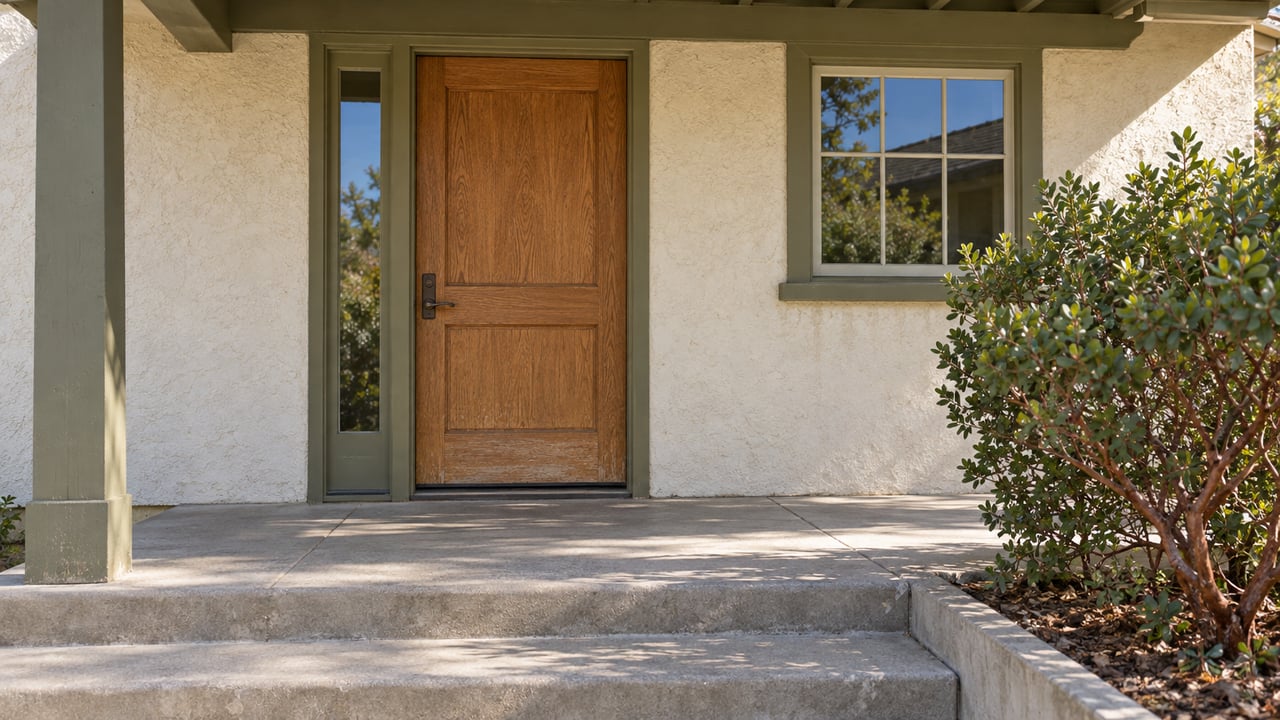
When buyers fall in love with a Craftsman bungalow in Bungalow Heaven or a Victorian on a Monrovia landmark block, the pull is almost never the tax code. It is the architecture, the neighborhood feel, and the sense of owning something with real history. But the financial mechanics of Mills Act ownership tend to surprise people once they learn them, and that surprise should happen before the offer, not after closing.
How the Mills Act Actually Works
Under the Mills Act, a property owner enters a contract with their city agreeing to maintain the home's historic character. In exchange, the city assesses the property using an income-based approach tied to comparable rental income rather than current market value. In markets like Pasadena and Monrovia, where historic homes have appreciated substantially, that difference commonly produces tax savings of 40 to 60 percent annually. Contracts run a minimum of 10 years and renew automatically, so the benefit compounds rather than expiring, and it transfers to the new owner when the home sells.
Why Pasadena and Monrovia Are Strong Markets for It
Not every California city participates in the Mills Act, and program quality varies among those in Los Angeles County that do. Pasadena and Monrovia have both invested in historic preservation infrastructure, which makes applying for and maintaining a contract more straightforward than in cities with newer or less resourced programs.
Pasadena's Historic Property Contract Program
Pasadena established its Historic Property Contract Program by ordinance in October 2002. It covers Bungalow Heaven, a 125 acre district added to the National Register of Historic Places on April 10, 2008, along with other designated historic resources citywide.
Monrovia's Historic Preservation Ordinance
Monrovia adopted its Historic Preservation Ordinance in 1995, and the city reports more than 160 designated landmarks as of its most recent count, including properties within the Wild Rose Tract (established 2008) and North Encinitas (established 2017) historic districts.
Benefits That Go Beyond the Tax Bill
The tax savings are the headline, but a few other advantages come up less often. A home with an active Mills Act contract is a genuine selling feature at resale, since buyers who understand the program recognize the inherited tax benefit as real money. In both cities, the infrastructure around historic ownership is substantial: active neighborhood associations, experienced restoration tradespeople, and preservation staff who work with homeowners regularly. Landmark districts in both cities have also shown durable price-per-square-foot premiums over surrounding areas, driven by constrained supply and a buyer pool that specifically seeks this kind of home.
About the Authors: Jason Berns (DRE #01787757) and Laura Berns (DRE #01407023) lead The Berns Team at Keller Williams in Pasadena, CA. The team works regularly with buyers of historic and Mills Act eligible properties across Pasadena and Monrovia and can help confirm a given property's contract status before an offer. Reach the team through the team page.
Frequently Asked Questions
Does a home need to already be designated to qualify for the Mills Act?
In most cases, yes. A property generally needs to be locally designated, listed on the California Register, or listed on the National Register of Historic Places. In both Pasadena and Monrovia, it is possible to apply for designation and a Mills Act contract at the same time.
What does the preservation commitment actually require of the owner?
Owners agree to maintain the home's historic character, primarily on the exterior, and to allow periodic city inspections. Interior updates are generally unrestricted, so modernizing kitchens, bathrooms, and mechanical systems is typically on the table.
Can we apply for a Mills Act contract after we close?
Yes. If a home carries landmark designation but does not yet have an active contract, the new owner can apply after purchase, subject to each city's annual application cycle and timeline.
Mills Act program history and tax savings ranges: City of Pasadena Planning & Community Development Department. Monrovia ordinance date and landmark count: City of Monrovia, historic preservation program page, as of January 2024. Bungalow Heaven National Register date and acreage: Wikipedia, citing National Park Service records. Wild Rose Tract and North Encinitas district dates: City of Monrovia historic district documentation.