By The Berns Team
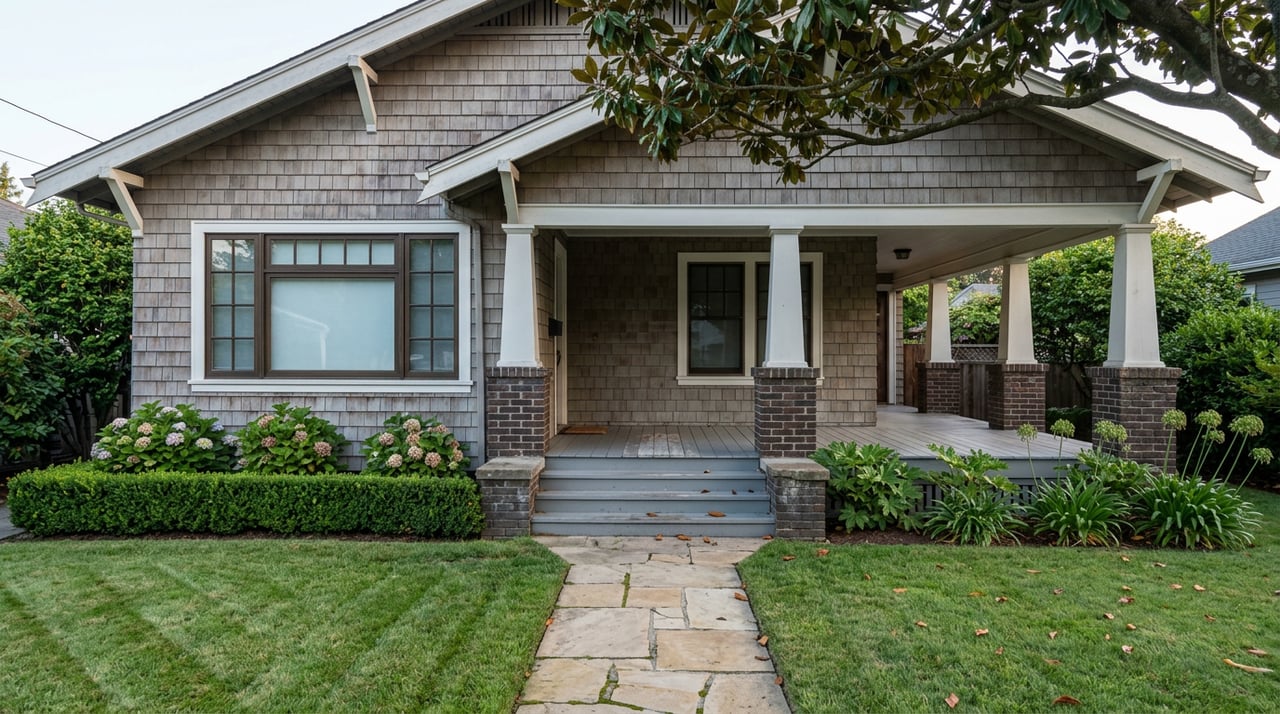
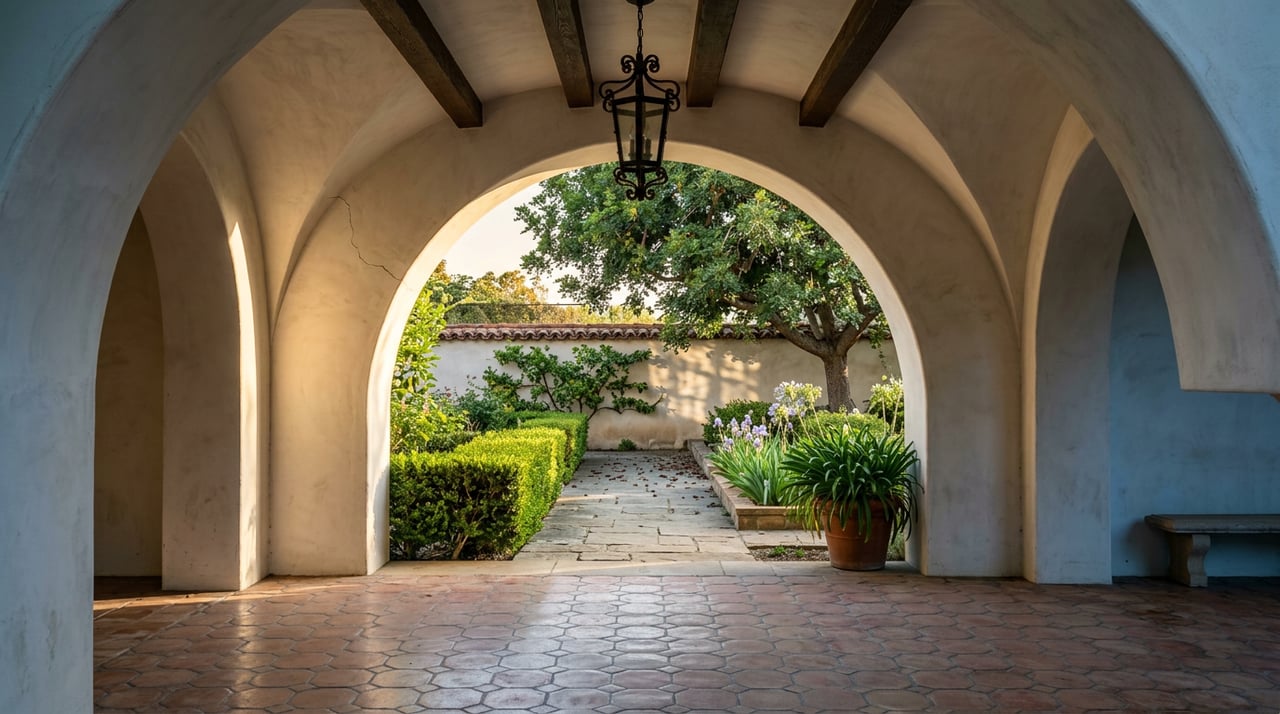
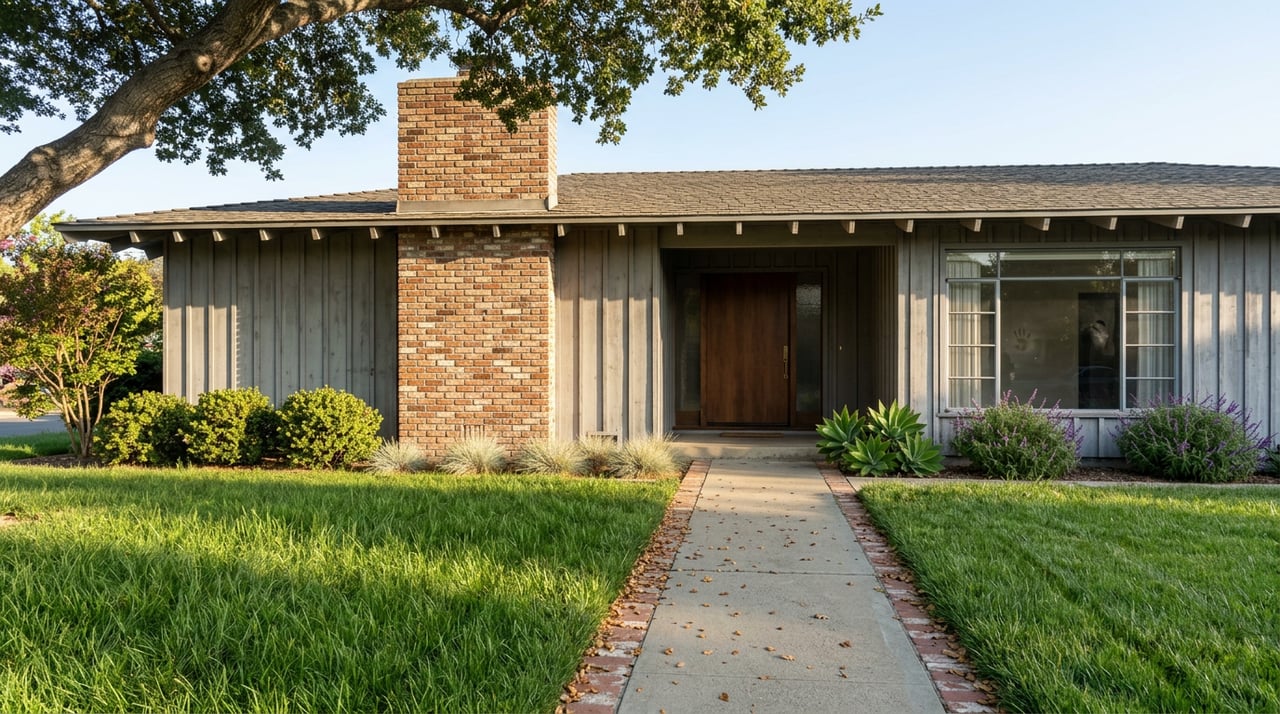
Something happens when buyers walk through a well-preserved Craftsman in Bungalow Heaven or a Spanish Colonial Revival near Old Town Monrovia. They stop talking about square footage. They start noticing how the light moves through original windows, how the built-ins were designed for the specific room they're standing in, and how the front porch actually faces the street. That shift is worth paying attention to, not as a warning that emotion is overriding judgment, but because the things producing that response also tend to hold value in ways that newer construction doesn't.
Key Takeaways
- The craftsmanship in Pasadena and Monrovia's historic homes can't be replicated at current labor costs;that scarcity supports values in a durable way
- Mills Act property tax relief is available in both cities and has produced average savings around 50% for Pasadena participants
- Intact original features consistently support stronger resale values than homes where those elements were removed
- Fixed inventory in designated historic districts creates sustained demand that protects values through broader market cycles
What's Actually Producing That Feeling
The Gamble House is the most visible example of what made Pasadena a destination for serious architecture, but the same sensibility (Greene & Greene's emphasis on natural materials, handcrafted joinery, and rooms designed for how people actually live) shows up at a different scale in the bungalows throughout Bungalow Heaven. These homes were built when skilled labor was abundant, and the philosophy behind the work was taken seriously. You can update a historic home, but you can't build a new one.
Monrovia's historic stock comes from the same moment. The Spanish Colonial Revivals near Old Town, the Craftsman bungalows north of Foothill, the Victorians on the older residential streets — what buyers respond to in both markets is the same thing: a home that was thought through.
Monrovia's historic stock comes from the same moment. The Spanish Colonial Revivals near Old Town, the Craftsman bungalows north of Foothill, the Victorians on the older residential streets — what buyers respond to in both markets is the same thing: a home that was thought through.
What Makes These Homes Feel Different
- Hand-cut joinery, old-growth wood floors, and original hardware reflecting skilled labor no longer economically viable in residential construction
- Rooms at human scale rather than maximized square footage; spaces that feel right to be in, not just large
- Sleeping porches, deep roof overhangs, and covered entries designed for Southern California's climate, and how these neighborhoods were actually used
- Street-facing front porches and mature tree canopies that produce the kind of neighbor interaction planned communities spend money trying to manufacture
The Financial Case Is Stronger Than the Reputation Suggests
The idea that historic homes are financially risky doesn't match what we see in Pasadena and Monrovia. Well-maintained, architecturally intact homes in both markets have held value through cycles that hit generic inventory harder. The logic isn't complicated: supply doesn't grow. There's a ceiling on how many 1910 Craftsman can exist in Bungalow Heaven.
The Mills Act makes the numbers concrete. Both Pasadena and Monrovia offer the program, which calculates property taxes on income potential rather than reassessed value. Pasadena reports average savings around 50% for past participants, a range of 20 to 75 percent depending on the property. For a buyer reassessed to a current purchase price, that materially changes the carrying cost comparison against a newer home at a similar price point. Mills Act contracts also transfer with the property, so a buyer purchasing a home already under contract inherits the benefit immediately.
The Mills Act makes the numbers concrete. Both Pasadena and Monrovia offer the program, which calculates property taxes on income potential rather than reassessed value. Pasadena reports average savings around 50% for past participants, a range of 20 to 75 percent depending on the property. For a buyer reassessed to a current purchase price, that materially changes the carrying cost comparison against a newer home at a similar price point. Mills Act contracts also transfer with the property, so a buyer purchasing a home already under contract inherits the benefit immediately.
Why These Homes Hold Value
- Fixed supply in designated districts, Bungalow Heaven, the Wild Rose Tract, and North Encinitas in Monrovia, can't expand, which keeps demand pressure steady on a finite inventory
- Intact original features command documented premiums at resale over renovated counterparts, where character was removed
- Mills Act contracts running with the property give the next buyer an immediate financial benefit, which broadens the qualified pool at resale
What Buyers Get Wrong About Maintenance
The maintenance concern is usually overestimated and mislocated. The real questions aren't about whether a home is historic; they're about specific systems: roof, foundation, plumbing, electrical, and whether prior work respected the original structure. A thorough inspection with someone who knows period construction answers those questions clearly. Old-growth Douglas fir framing and hand-set tile are often more durable than materials from later decades. Age doesn't make a structure fragile; it makes the inspection more specific.
What to Inspect Carefully
- Foundation and any evidence of differential settling, particularly on hillside lots
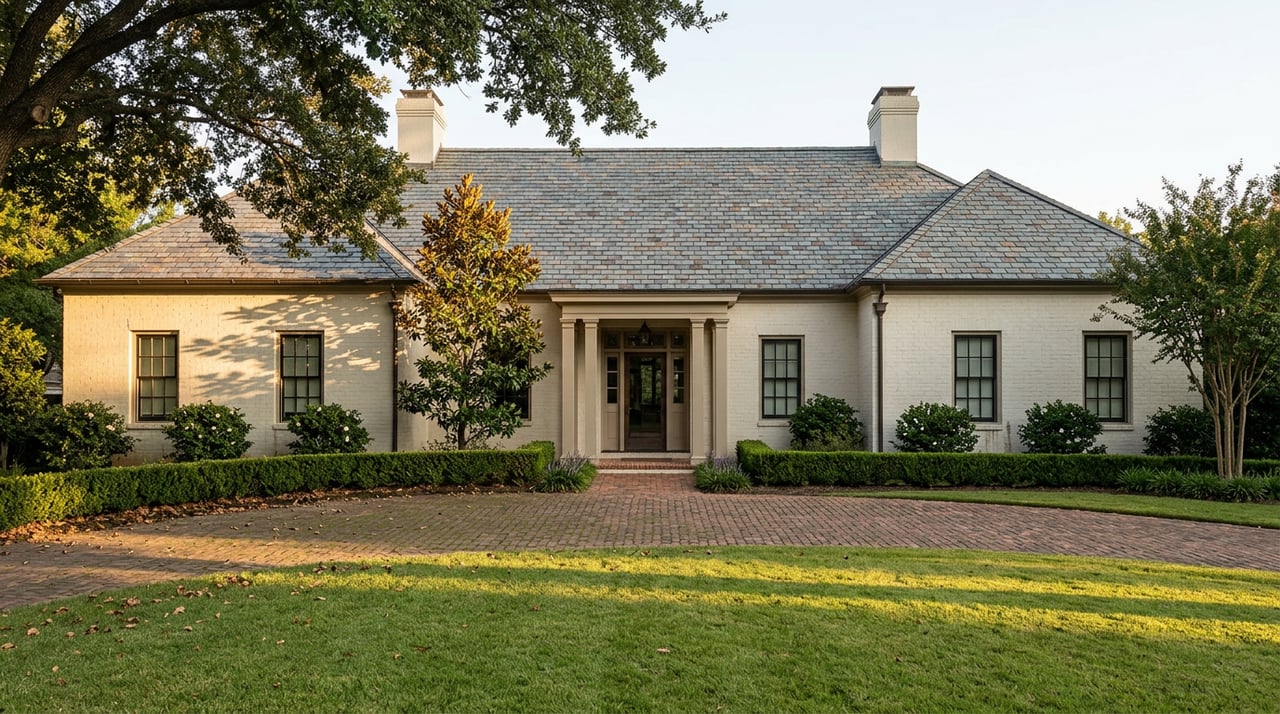
- Roof and chimney: original clay tile or slate done right lasts generations; composition roofing on a period home signals deferred care
- Quality of prior renovations: work that respected original materials adds value, work that stripped character can be costly to reverse
FAQs
Do historic homes in Pasadena and Monrovia appreciate differently than standard homes?
In our experience, well-maintained historic homes in both markets hold value through down cycles more reliably than generic inventory in similar price ranges. Fixed supply in designated districts is a meaningful factor; there's a hard ceiling on competing inventory that simply doesn't exist elsewhere.
Is the emotional connection to a historic home a liability in negotiations?
It can be if it overrides due diligence. The better approach is letting that response identify which homes are worth pursuing seriously, then evaluating each one on its merits without attachment to a specific outcome.
How do we know if a home qualifies for the Mills Act?
The property needs to be individually landmarked or a contributing structure within a recognized historic district in either city. We verify designation status before any offer; it affects both the financial picture and the preservation obligations that come with ownership.
Reach Out to The Berns Team Today
Historic homes in Pasadena and Monrovia are our focus, not a sideline. We know the designation landscape, the financing nuances, and what separates a sound historic investment from a complicated one. Reach out to The Berns Team when you're ready; we're happy to walk you through what's available and what ownership actually looks like.