If you are curious about what it really feels like to live in South Pasadena, Mission Street is one of the best places to start. This corridor gives you a quick read on the city’s rhythm, from historic storefronts and neighborhood parks to a weekly farmers market that draws people out on foot. If you are thinking about moving here, this guide will help you picture the pace, housing feel, and everyday convenience that make South Pasadena stand out. Let’s dive in.
Mission Street Sets the Tone
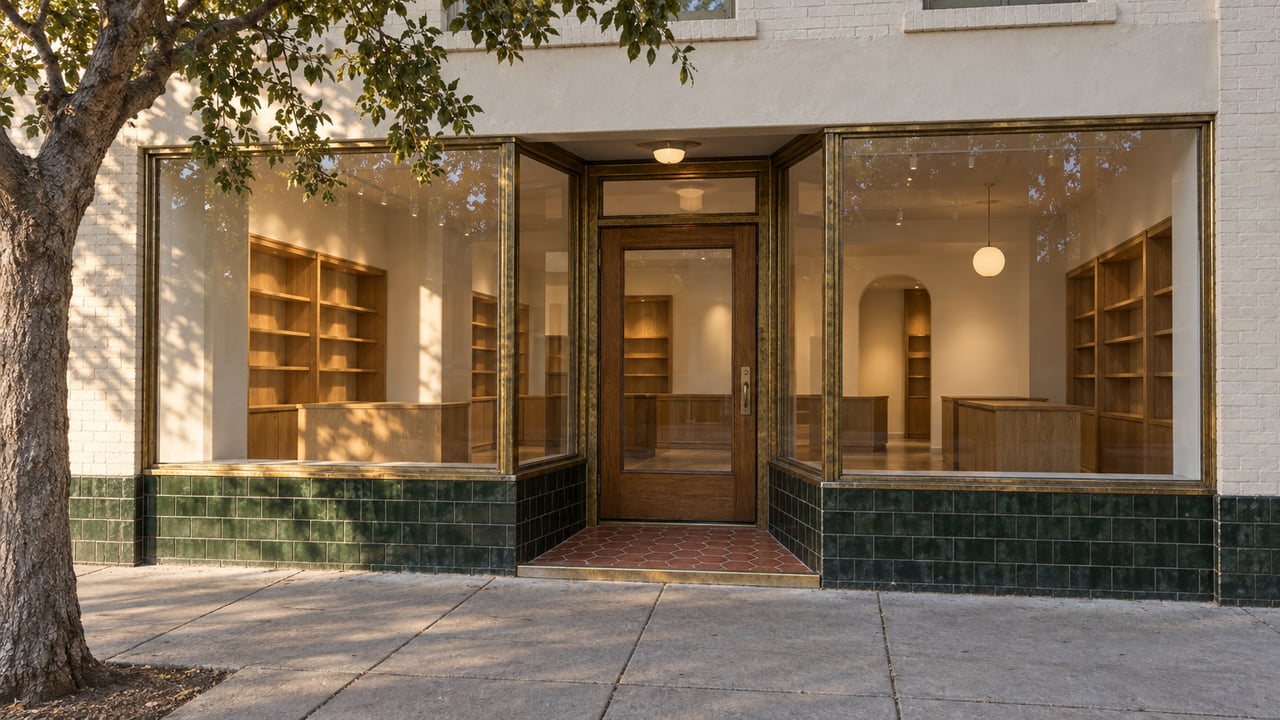
Mission Street has long been the center of South Pasadena’s downtown life. The city identifies it as the original business district, and the Mission West Historic District was listed in the National Register in 1982, with a period of significance from about 1885 to 1925.
That history still shapes the experience today. Along this stretch, you get a main-street setting with early 20th-century commercial and institutional buildings that support the city’s small-town character, even though downtown Los Angeles is only about six miles away.
A Compact City With Daily Ease
South Pasadena covers just 3.44 square miles, which helps explain why daily errands and casual outings can feel simpler here. The city also describes itself as having a small-town atmosphere, unique small businesses, and more than 100 acres of parks and playgrounds.
That compact scale matters when you imagine day-to-day life. Instead of feeling separated from your coffee stop, green space, or transit, you may find that many parts of town connect in a way that supports short trips and a more local routine.
Morning: Coffee, Side Streets, and Historic Character
A morning walk near Mission Street gives you a feel for the area’s blend of residential calm and downtown access. The historic business district creates a clear sense of place, while nearby blocks reflect the preservation-minded character South Pasadena is known for.
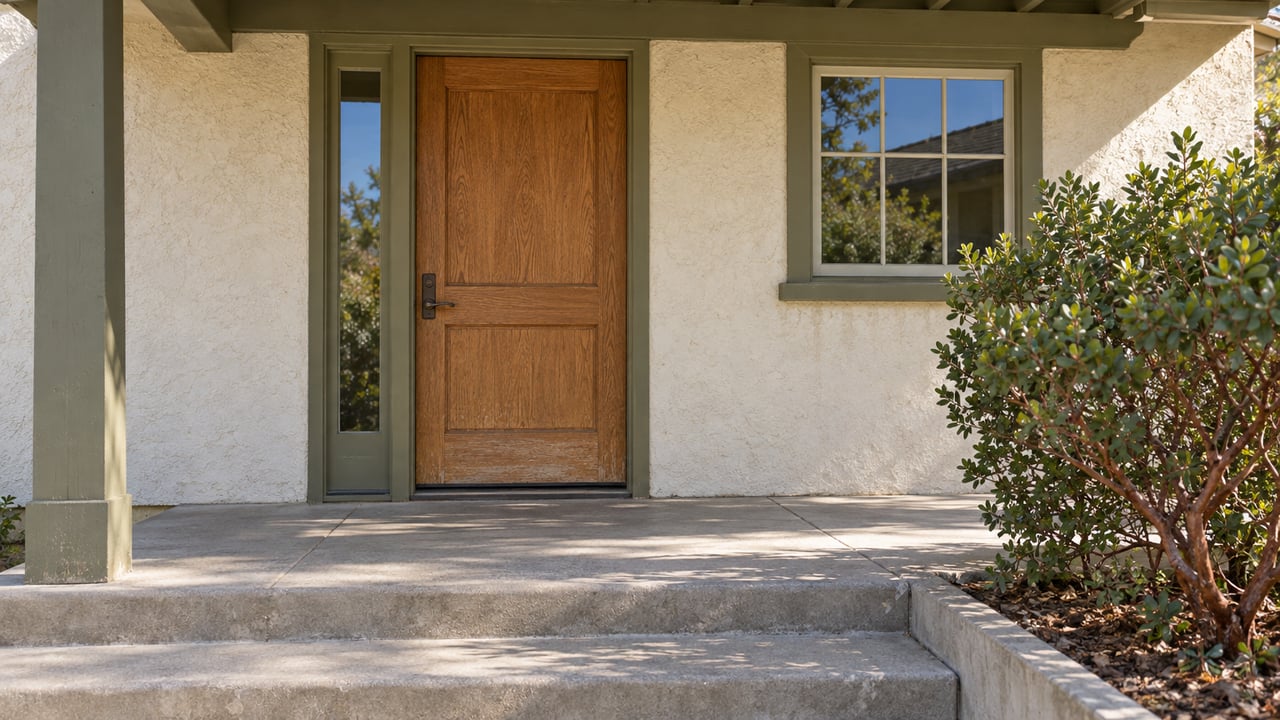
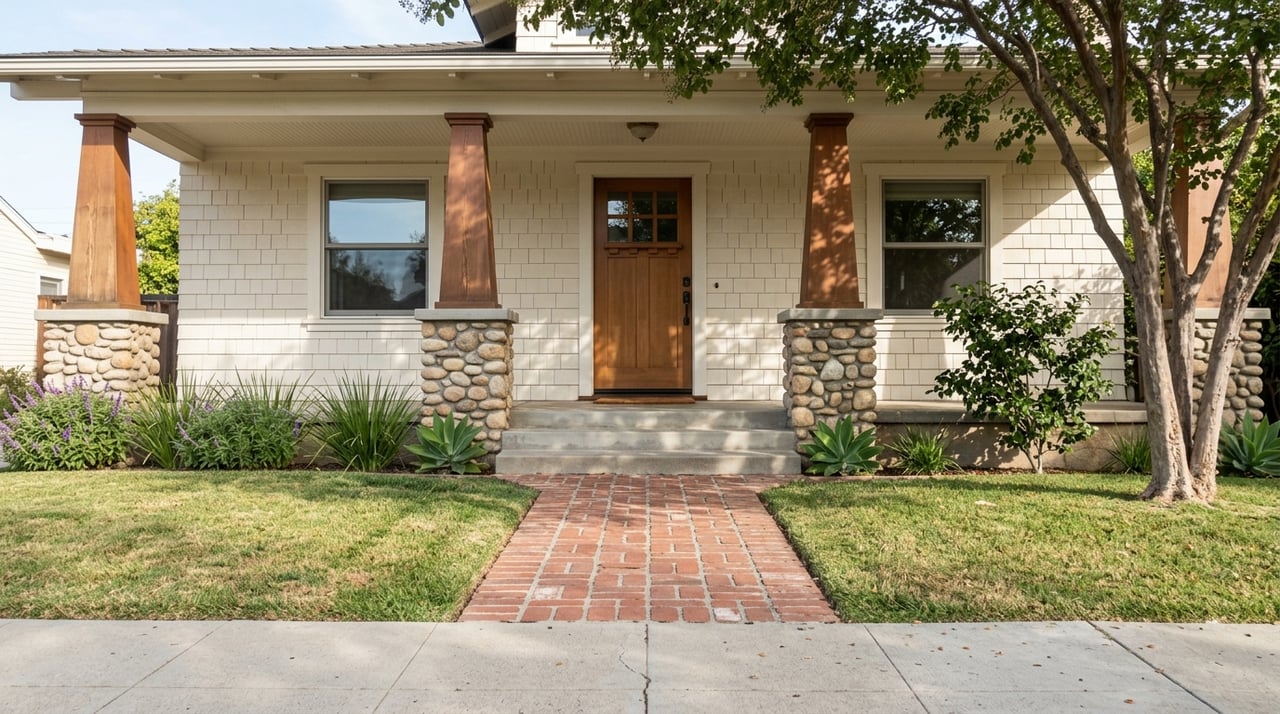
The city’s historic-home design guidelines note that Craftsman and Bungalow homes are the most commonly found historic residential style in South Pasadena’s historic neighborhoods. That means your walk may move quickly from storefronts and civic buildings to bungalow-lined streets and older homes that help define the local look.
What Homes Near Mission Street Feel Like
If you are browsing homes in South Pasadena, it helps to know that the housing mix is not just one thing. You will find classic historic homes, one-story bungalows, larger two-story residences, and smaller multi-unit buildings close to the commercial core.
SCAG’s local profile shows that in 2018, South Pasadena’s housing stock was 44.6% single-family detached, 5.9% single-family attached, 12.6% two-to-four-unit buildings, and 36.9% five-plus-unit buildings. It also reported that 75.7% of the housing stock was built before 1970, which helps explain why the city often feels established and layered rather than newly built.
Midday: Parks Add Breathing Room
One reason Mission Street feels livable, not just busy, is how close it sits to parks and civic spaces. South Pasadena lists 92.2 acres of parks, with nearby options that support different kinds of downtime.
Orange Grove Park, at Mission Street and Orange Grove Avenue, includes a lighted softball and soccer field, two lighted tennis courts, and a small playground. Library Park is designed for quieter use like reading and relaxing, while Garfield Park hosts community activities such as Summer Concerts in the Park and sits within a residential setting.
This park network gives the area a more everyday feel. You are not just visiting a business district. You are moving through a place where downtown, homes, and open space all sit close together.
Thursday Nights Bring the Street to Life
If there is one weekly event that captures Mission Street’s energy, it is the South Pasadena Farmers Market. Established in 1999 and operated by the South Pasadena Chamber of Commerce since 2010, the market takes place every Thursday afternoon year-round.
Typical hours are 4 to 8 p.m. in spring, summer, and fall, and 4 to 7 p.m. in winter. The market features certified California-grown produce, prepared food vendors, live music, and nearby independent shops and restaurants that often stay open later on market night.
For many buyers, this matters because it says something about the lifestyle, not just the calendar. A regular event that encourages walking, gathering, and lingering can make a downtown feel more connected and useful in everyday life.
Transit Access Supports a Car-Light Routine
Mission Street’s appeal is not only about charm. It also has practical access that can support a flexible routine for some households.
The farmers market points visitors to the Metro A Line South Pasadena station as an easy way to reach the area. Metro describes the A Line as running from Long Beach to Pomona, and South Pasadena Station also connects with local bus service.
SCAG reported that 42.2% of South Pasadena households owned one or no vehicles. It also found that the share of residents commuting by modes such as walking, biking, or working from home increased by 8.1 percentage points between 2000 and 2018.
That does not mean every household will live car-free. It does suggest that if you value a mix of walking, transit, and short drives, Mission Street can support that kind of lifestyle better than many more spread-out areas.
Evening: Community Events Keep It Active
Mission Street is not limited to daytime errands or dinner plans. City programming continues to use it as a community gathering space after business hours.
For example, the city’s 2026 Arts & Music Crawl is scheduled along Mission Street from Fair Oaks Avenue to Meridian Avenue. Events like this reinforce the street’s role as a pedestrian-friendly setting for arts, music, shopping, and community activity.
That kind of programming adds an important layer to the neighborhood feel. It shows that downtown is not just preserved for appearance. It is still actively used as a social and cultural center.
Is Mission Street More Urban or Suburban?
For many people, the answer is both. Mission Street offers a true downtown spine with shops, events, transit access, and a historic business district, but the surrounding pattern remains residential and grounded in preservation.
That balance is a big part of South Pasadena’s appeal. You can enjoy a more walkable main-street experience without giving up the quieter, home-centered feel that many buyers want in the San Gabriel Valley.
Why Buyers Look Closely at South Pasadena
When buyers ask about South Pasadena, they are often trying to understand more than square footage or price point. They want to know how a place functions on a normal Tuesday, on a market night, or on a relaxed weekend afternoon.
Mission Street helps answer that question. It shows you a compact city with historic character, a mix of housing types, nearby parks, and practical transit access, all woven into a downtown that still feels active and local.
If you are considering a move to South Pasadena, it helps to have guidance from a team that understands how lifestyle, housing stock, and block-by-block character come together. The Berns Team brings local market insight and relationship-first service to help you find the right fit in South Pasadena and across the San Gabriel Valley. When you are ready to explore your next move, connect with The Berns Team.
FAQs
What is Mission Street like in South Pasadena?
- Mission Street is South Pasadena’s historic downtown corridor, known for its early 20th-century character, local businesses, community events, and walkable setting.
Is Mission Street in South Pasadena walkable?
- South Pasadena’s compact size, Thursday farmers market, nearby parks, and Metro A Line access all support a walkable-downtown lifestyle for many residents.
What types of homes are common near Mission Street in South Pasadena?
- Homes near Mission Street can include Craftsman and bungalow-style houses, older historic homes, and smaller multi-unit buildings close to downtown.
Does South Pasadena have parks near Mission Street?
- Yes. Nearby options include Orange Grove Park, Library Park, and Garfield Park, which add open space and recreation close to the downtown area.
Can you use transit from Mission Street in South Pasadena?
- Yes. The South Pasadena station on Metro’s A Line serves the area, and local bus connections also support day-to-day travel.
Does South Pasadena feel urban or suburban?
- South Pasadena often feels like a mix of both, with a historic main street and transit access paired with residential streets, parks, and preserved housing character.