If you have lived in San Marino for years, downsizing may have less to do with leaving and more to do with living a little lighter. In a city known for long-term ownership, high home values, and low turnover, the goal is often to keep your routines, relationships, and local connections while reducing the work that comes with a larger property. This guide walks you through what downsizing can realistically look like in San Marino, what options may fit best, and which California tax rules deserve close attention before you make a move. Let’s dive in.
Why downsizing feels different in San Marino
San Marino is not a typical downsizing market. Census data shows a 2025 population estimate of 11,964, an owner-occupied housing rate of 82.8%, and a median owner-occupied home value above $2 million. The same data also shows that 22.3% of residents are age 65 or older and 85.8% lived in the same house one year earlier.
That matters because many homeowners here are not looking for a dramatic lifestyle reset. They are often trying to simplify a valuable, long-held home while staying close to familiar streets, favorite businesses, friends, and daily routines. In San Marino, downsizing is usually about continuity and planning, not urgency.
What right-sizing can look like locally
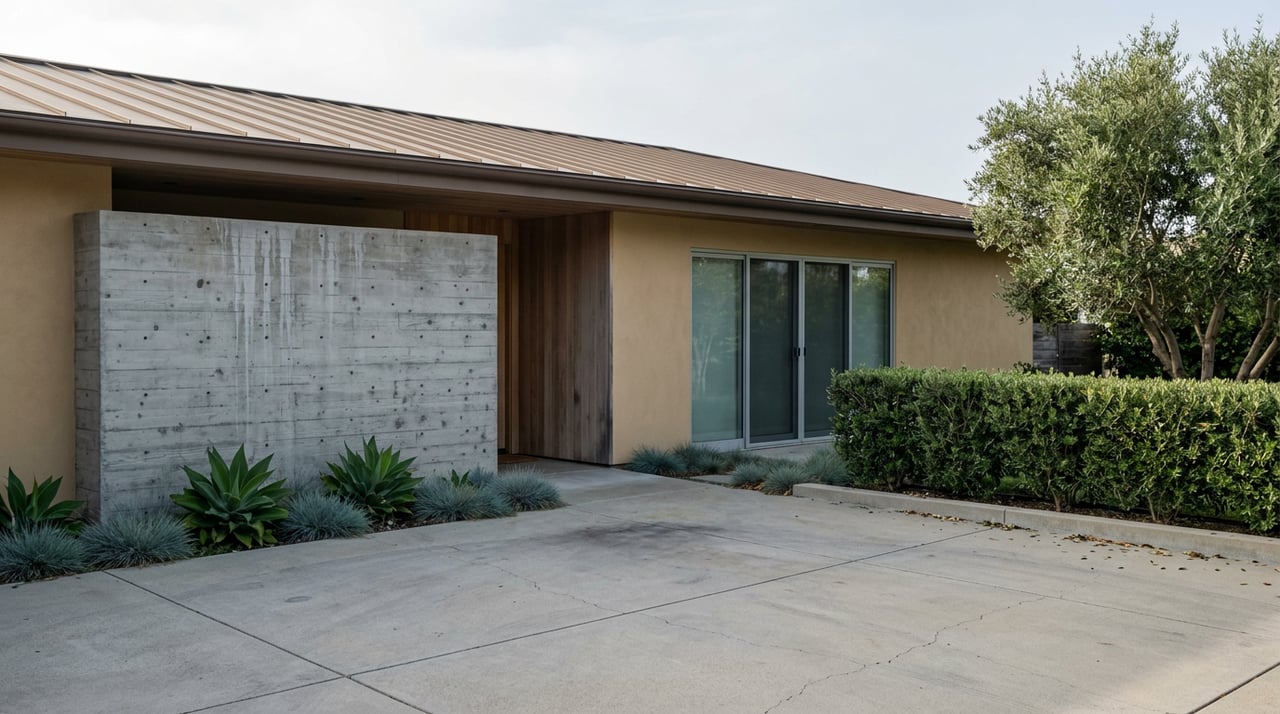
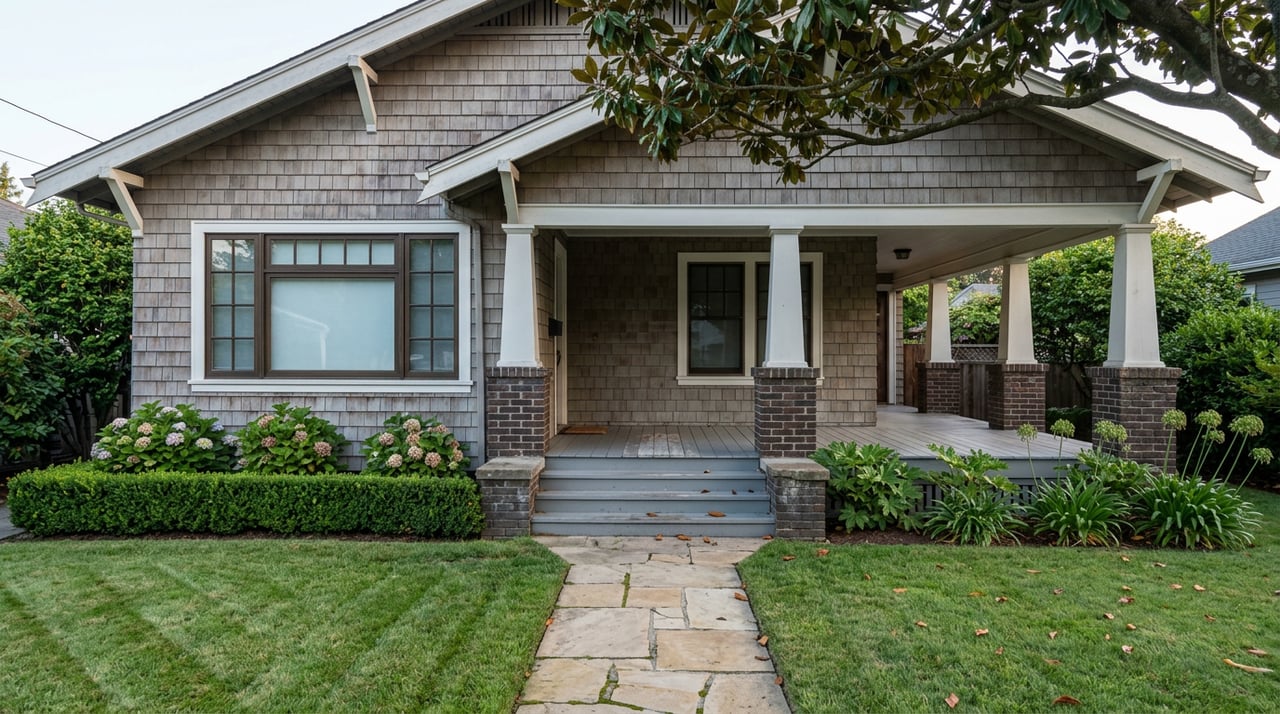
San Marino is largely a detached single-family housing market. The city’s housing-element materials describe it as fully built out, primarily residential, and historically made up of single-family homes on large lots, with most homes built before 1960. Those same materials state that no multifamily housing is currently allowed.
Because of that, right-sizing often looks different here than it would in a city with many condo buildings. Instead of moving from a large house into a wide range of in-town condominiums, you may be choosing among a smaller set of practical paths.
Single-level homes in San Marino
For many homeowners, the simplest in-city option is finding a one-story or mostly one-story home. This can reduce daily stair use, make movement easier over time, and cut down on the complexity of maintaining multiple levels.
In San Marino, this is usually a targeted detached-home search rather than a broad search for attached housing. If staying inside city boundaries is important to you, focusing on layout and livability may matter just as much as reducing square footage.
Smaller lots and easier outdoor upkeep
Downsizing is not only about the inside of the home. In San Marino, lot size and grounds maintenance can be a major part of the conversation because the city’s housing materials note that land makes up a large share of property value and even quarter-acre lots have been very expensive.
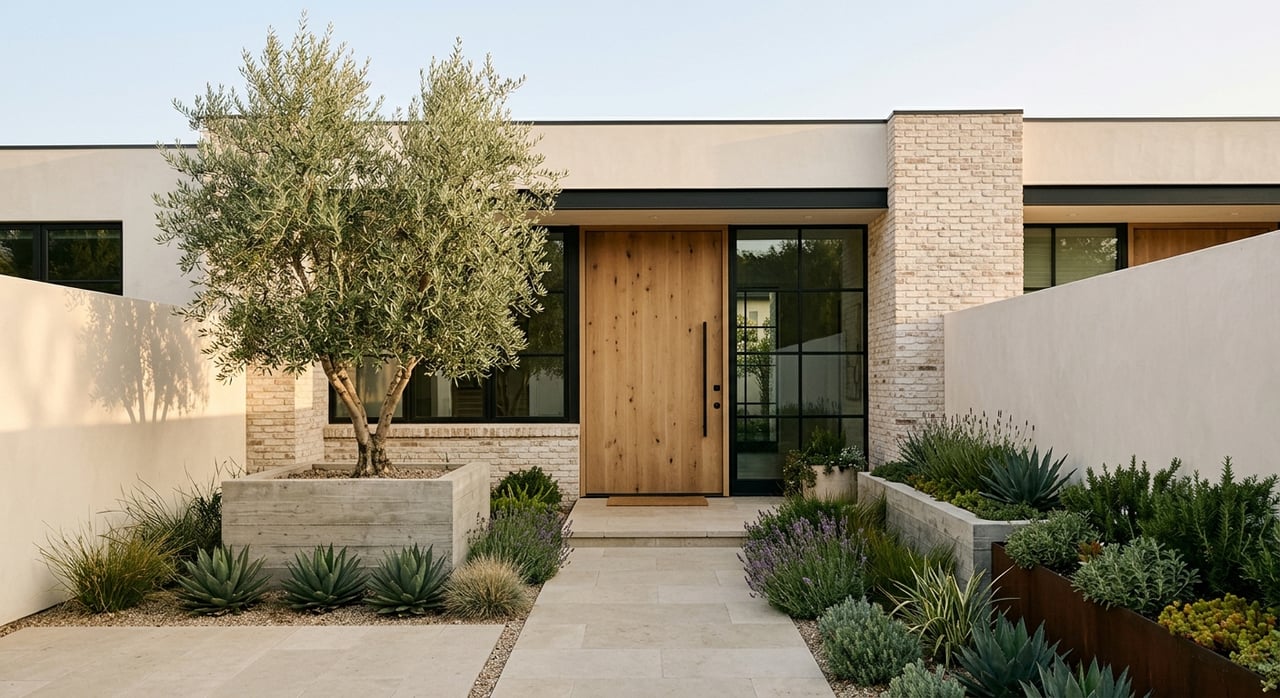
That means right-sizing may involve choosing a property with less lawn, less mature landscaping to maintain, fewer hardscape features, or a simpler outdoor footprint. If your current home feels like too much work, the real relief may come from reducing estate upkeep rather than just shrinking interior rooms.
Lower-maintenance detached homes
Some homeowners do not want a major lifestyle change at all. They simply want a home that is easier to manage, with flatter land, fewer outbuildings, less garden area, or fewer deferred maintenance concerns.
This softer version of downsizing can make sense in San Marino’s high-value, low-density market. You may still want a beautiful detached home, just one that asks less of you month after month.
Nearby condos and townhomes outside San Marino
If you want a more significant reduction in upkeep, nearby cities may offer the most practical options. San Marino borders South Pasadena, Alhambra, San Gabriel, Pasadena, and unincorporated Los Angeles County, and because no multifamily housing is currently allowed in San Marino, nearby-city condo and townhome searches are often the realistic stay-local alternative.
For some homeowners, this is the best balance. You can remain close to the people and places that matter to you while moving into a home with less exterior maintenance and a more lock-and-leave lifestyle.
What to consider before you move
A good downsizing plan starts with clarity. In San Marino, where homes are valuable and turnover is low, the right move usually comes from matching your next home to the way you actually want to live in the next chapter.
Here are a few useful questions to ask yourself:
- Do you want to remain within San Marino city limits, or is staying nearby enough?
- Is your main goal fewer stairs, less yard work, lower maintenance, or all three?
- Would you prefer a smaller detached home, or are you open to a condo or townhome in a neighboring city?
- How important is it to stay close to your current routines and community connections?
- Are you also thinking about long-term family property planning and inheritance issues?
These answers can shape everything from timing to property type. They also help you avoid making a move that solves one problem while creating another.
Property taxes can change the equation
For long-time San Marino owners, taxes are often one of the biggest pieces of the puzzle. California property taxes are structured around Proposition 13, which generally means a property is reassessed when there is a change in ownership or new construction, while annual increases in base-year value are generally capped at 2%.
If you have owned your home for decades, your current tax basis may be far lower than today’s market value. That is why a move can have such a big financial impact, even if your next home is smaller.
How Proposition 19 may help
Proposition 19 is the key portability rule many older homeowners need to understand. According to the California State Board of Equalization, homeowners who are age 55 or older, disabled homeowners, and qualifying disaster victims can transfer their base-year value to a replacement primary residence anywhere in California up to three times.
If the replacement home is of equal or lesser value, the original taxable value transfers without adjustment. If the replacement home costs more, the amount above the old home’s value is added to the transferred base-year value.
Important timing rules to know
The timing details matter. The State Board of Equalization says the original home must be sold within two years of buying the replacement home.
The claim is filed after both transactions are complete, not through escrow. The same source says the claim must be filed within three years of the purchase or completion of the replacement home.
Buying before selling
Some homeowners want to secure the replacement home first. That is allowed, but there is an important catch.
The State Board of Equalization says if you buy first, you will pay property taxes based on the replacement home’s full fair market value until the original home sells. It also states there is no refund for that interim period, so this choice should be weighed carefully.
Don’t overlook transfer tax and closing costs
In a high-value market like San Marino, even standard closing costs can be meaningful. Los Angeles County’s documentary transfer tax is a good example.
The county recorder states the standard rate is $0.55 per $500 of value, or $1.10 per $1,000. San Marino is not listed among the cities with special local rates in the county summary, so San Marino sales generally fall under the county standard rate.
That may sound modest at first glance, but it can add up quickly on a multimillion-dollar sale. When you are comparing staying put versus moving, it helps to include these costs in your planning early.
Family transfer planning matters too
For some San Marino owners, downsizing is tied to a bigger family decision. You may be weighing whether to sell, keep the home in the family, or make plans for a future transfer.
This is where Proposition 19 matters again. The State Board of Equalization says the parent-child exclusion now applies only to a family home that becomes the transferee’s principal residence, or to a family farm. In many other inherited-property scenarios, reassessment may occur.
That does not mean one path is always better than another. It does mean you should think about downsizing and family transfer goals together, especially if preserving tax treatment is part of your long-term plan.
A practical downsizing strategy for San Marino owners
In a market like San Marino, the best results usually come from a measured plan rather than a rushed decision. A thoughtful approach can help you protect value on the sale side while giving yourself enough time to find the right fit for what comes next.
A smart planning process often includes:
- Defining what “right-sized” really means for you.
- Identifying whether San Marino inventory can meet that goal.
- Expanding the search to nearby cities if attached housing or lower-maintenance options are important.
- Reviewing Proposition 13 and Proposition 19 implications before choosing your timeline.
- Mapping out sell-first versus buy-first based on comfort, cash flow, and tax timing.
This kind of planning is especially helpful in a low-turnover market. When inventory is limited, having a clear strategy can keep you from feeling stuck between a home that no longer fits and a next step that still feels uncertain.
Why expert local guidance matters
Downsizing in San Marino is rarely a one-size-fits-all move. You may be balancing emotional ties, a highly appreciated property, tax considerations, and a very specific idea of what staying local means to you.
That is why local knowledge matters. You want guidance that understands how San Marino’s housing stock differs from nearby markets, how to position a high-value home for sale, and how to build a search strategy around the lifestyle changes you actually want.
If you are thinking about right-sizing while staying close to the community you love, working with a team that knows San Marino and the surrounding San Gabriel Valley can make the process feel much more manageable. When you are ready to talk through your options, connect with The Berns Team for thoughtful, concierge-level guidance tailored to your next chapter.
FAQs
Is there much condo inventory inside San Marino for downsizing?
- Probably very little. San Marino’s housing-element materials say the city is fully built out and no multifamily housing is currently allowed, so in-city condo options are limited.
What are the most common downsizing options for San Marino homeowners?
- Common paths include single-level detached homes in San Marino, homes on smaller lots with easier upkeep, lower-maintenance detached properties, or condos and townhomes in nearby cities such as Pasadena, South Pasadena, Alhambra, or San Gabriel.
Can a San Marino homeowner over age 55 transfer a property tax base?
- Yes. The California State Board of Equalization says eligible homeowners age 55 or older can transfer their base-year value to a replacement primary residence anywhere in California, subject to Proposition 19 rules.
Should a San Marino homeowner buy first or sell first when downsizing?
- Buying first is allowed, but the State Board of Equalization says you will pay property taxes based on the replacement home’s full fair market value until the original home sells, and there is no refund for that period.
How long does a San Marino homeowner have to file a Proposition 19 claim?
- The State Board of Equalization says the claim must be filed within three years of the purchase or completion of the replacement home, and the original home must be sold within two years of buying the replacement property.
Does keeping a San Marino home in the family preserve old tax benefits?
- Not automatically. Under Proposition 19, the parent-child exclusion generally applies only if the family home becomes the transferee’s principal residence, so many inherited-property transfers may still trigger reassessment.