By The Berns Team
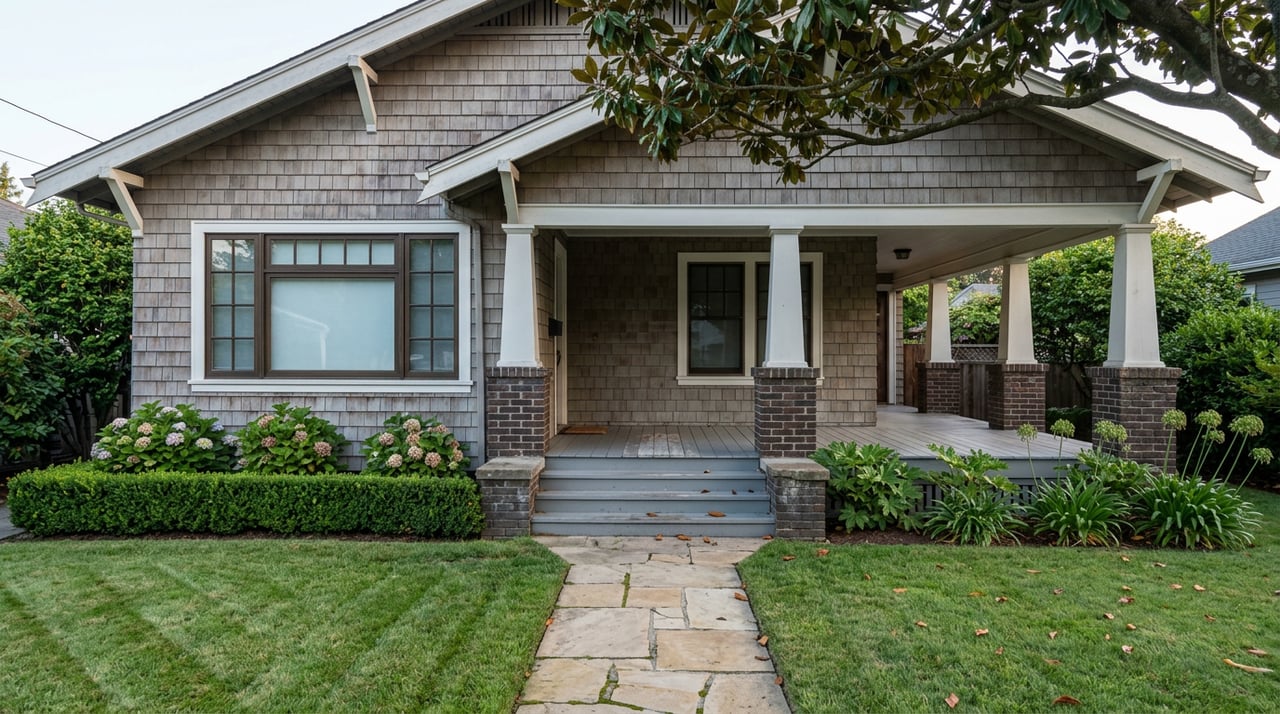
Pasadena's historic neighborhoods have a pull that's hard to explain to someone who hasn't walked through them. The Craftsman bungalows in Bungalow Heaven, the Spanish Revivals along tree-lined streets in the historic districts — these homes carry a sense of permanence that newer construction simply can't replicate. What a lot of buyers don't realize until they're deep in a search is that owning one of these properties can come with a significant financial advantage, one built directly into California law: the Mills Act.
Key Takeaways
-
Mills Act contracts can reduce property taxes by 40–60% on qualifying historic homes in Pasadena
-
The contract transfers to the new owner at purchase, making it a valuable asset in any sale
-
Homeowners commit to maintaining and restoring the property according to the Secretary of the Interior Standards
-
Pasadena has its own well-established program, separate from Los Angeles, with an annual application cycle
What the Mills Act Actually Is
The Mills Act is a California state law that allows cities to enter into contracts with owners of historic structures, requiring a reduction of property taxes in exchange for the continued preservation of the property. It isn't a loophole or a workaround; it's a deliberate policy tool that the California Office of Historic Preservation recognizes as the state's single most important economic incentive for private historic preservation.
In Pasadena specifically, the program has deep roots. The City of Pasadena Historic Property Contract Program was established by ordinance in October 2002, and property owners who qualify agree to rehabilitate, restore, and maintain their properties according to the Secretary of the Interior's Standards for Rehabilitation.
In Pasadena specifically, the program has deep roots. The City of Pasadena Historic Property Contract Program was established by ordinance in October 2002, and property owners who qualify agree to rehabilitate, restore, and maintain their properties according to the Secretary of the Interior's Standards for Rehabilitation.
What Buyers Stand to Save
-
Property taxes calculated using the income approach to value rather than market value, which produces a substantially lower assessed value
-
Savings in the range of 40–60% annually for qualifying properties, according to the California Office of Historic Preservation
-
The contract is transferable at sale, meaning a buyer inherits the reduced tax rate rather than starting over at the new purchase price
How Qualifying Works in Pasadena
Not every old house automatically qualifies. The property needs to hold a recognized historic designation, either as a City of Pasadena landmark or as a contributing structure within a designated historic district. Bungalow Heaven, one of Pasadena's most celebrated residential historic districts, is home to a significant concentration of eligible properties. Buyers can search the Pasadena Historic Property Inventory Database to check a specific address before making an offer.
Pasadena's program operates on an annual cycle, with applications accepted early in the year and contracts recorded with the County Recorder by year-end. The Planning Department approves up to 20 new single-family residential applications annually. That cap matters, and demand tends to reflect how well-known the financial benefits have become among serious buyers.
Pasadena's program operates on an annual cycle, with applications accepted early in the year and contracts recorded with the County Recorder by year-end. The Planning Department approves up to 20 new single-family residential applications annually. That cap matters, and demand tends to reflect how well-known the financial benefits have become among serious buyers.
What the Application Involves
-
Proof of historic landmark or contributing district status (or a concurrent nomination for designation)
-
A maintenance and rehabilitation plan showing how the owner will preserve the property's character-defining features
-
Annual documentation submitted to the City confirming completed work
-
Compliance with major project review by the Historic Preservation Commission for any significant alterations
What Buyers Need to Understand Before Making an Offer
Buying a Mills Act home comes with real obligations, and understanding them upfront is part of making a smart offer. The contract runs with the land, which means it transfers to the buyer at closing, along with all of its requirements. Renovations that alter the historic character of the home need to comply with preservation standards, and some changes that are standard in non-historic properties aren't permitted.
That said, most buyers who pursue Mills Act homes in Pasadena aren't looking to gut-renovate a 1920s Craftsman. They're looking to own something irreplaceable, and to do it in a way that makes long-term financial sense.
That said, most buyers who pursue Mills Act homes in Pasadena aren't looking to gut-renovate a 1920s Craftsman. They're looking to own something irreplaceable, and to do it in a way that makes long-term financial sense.
Questions to Ask When Evaluating a Mills Act Property
-
Is there an active contract in place, or would the buyer need to apply?
-
What is the current assessed value under the Mills Act, and how does it compare to market value?
-
What maintenance or restoration work is already committed under the existing contract?
-
Has the property been in compliance with all required annual documentation?
Frequently Asked Questions
Does the Mills Act tax reduction carry over when I buy the home?
Yes, the contract transfers to the new owner at closing. You inherit the existing assessed value and tax reduction rather than being reassessed at the new purchase price, which is one of the most significant financial benefits of buying a Mills Act property.
What happens if I want to remodel a Mills Act home?
Minor work consistent with the home's historic character is generally allowed, but major alterations require review and approval. Changes need to align with the Secretary of the Interior's Standards for Rehabilitation, and the City's Design and Historic Preservation Section reviews significant projects. We always recommend a conversation with the Planning Department before submitting an offer so you understand what's permitted.
Can a non-designated historic home qualify for a Mills Act contract?
Potentially, yes. Pasadena does allow concurrent applications, meaning an owner can apply for historic designation and a Mills Act contract at the same time. If the City Council designates the property by year-end, a contract can be approved in the same cycle.
Contact The Berns Team Today
Pasadena's historic districts are a niche market that rewards buyers who come in prepared. Understanding the Mills Act, knowing which properties carry active contracts, and knowing how to evaluate the obligations alongside the benefits — that's the kind of local knowledge that makes the difference between a great purchase and a costly surprise.
We specialize in historic homes throughout Pasadena and the surrounding areas, and we're well-versed in how the Mills Act works in practice, not just on paper. If you're considering a home in Bungalow Heaven or one of Pasadena's other designated historic districts, reach out to us at The Berns Team. We'd love to help you find a home that's worth preserving.
We specialize in historic homes throughout Pasadena and the surrounding areas, and we're well-versed in how the Mills Act works in practice, not just on paper. If you're considering a home in Bungalow Heaven or one of Pasadena's other designated historic districts, reach out to us at The Berns Team. We'd love to help you find a home that's worth preserving.