By The Berns Team
Every owner of a historic Pasadena home eventually faces the same question: do you restore what's there, or renovate for the way you live now? It's a question we field constantly across Pasadena's landmark districts, from Craftsman bungalows to Spanish Colonial Revival gems. The good news is that these aren't opposing camps, and the right answer usually comes down to your home, your goals, and how much of its original character you want to protect.
Key Takeaways
- Restoration, renovation, and rehabilitation are distinct approaches, and knowing the difference guides every decision.
- In Pasadena, interior updates are largely unrestricted, while visible exterior work follows preservation guidelines.
- The most successful projects blend modern livability with respect for a home's original character.
What Restoration and Renovation Actually Mean
These words get used interchangeably, but they describe different philosophies. Preservation has its own recognized set of treatments, and understanding how they differ helps you frame your own project before you ever call a contractor.
A shared vocabulary makes the whole process smoother.
A shared vocabulary makes the whole process smoother.
The Approaches to Know
- Restoration aims to return a home to its appearance at a specific period, replacing later changes with historically accurate details.
- Renovation updates a home for contemporary living, sometimes without much regard for period accuracy.
- Rehabilitation is the middle path most owners land on, keeping a home's historic character while allowing compatible modern updates.
What Pasadena Lets You Change
Before you decide how far to go, it helps to know what's actually regulated. In Pasadena, historic review is concerned with what the public can see, which gives owners real freedom inside their walls.
That distinction shapes most renovation decisions here.
That distinction shapes most renovation decisions here.
Where the Rules Apply
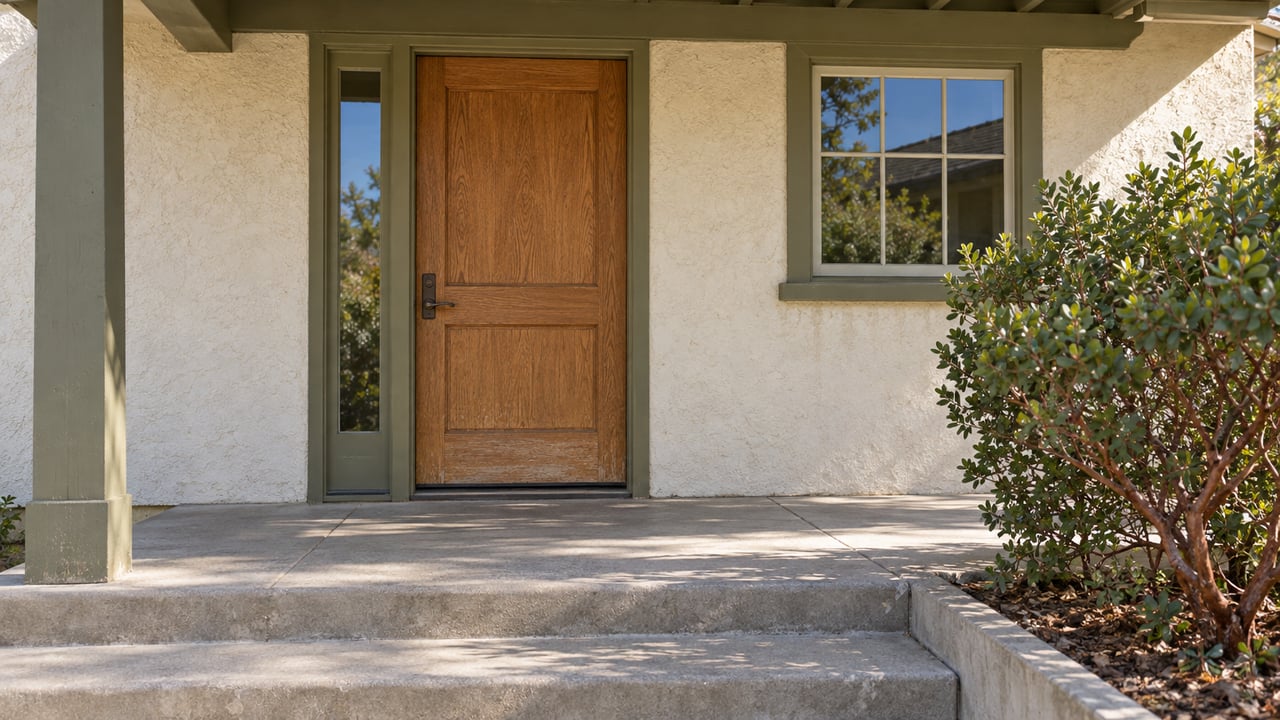
- Visible exterior changes in landmark and historic districts generally require a Certificate of Appropriateness before permits are issued.
- Interior work, including kitchens, bathrooms, and mechanical systems, is typically exempt from historic review.
- Paint colors, landscaping, and non-visible upgrades usually fall outside the review process as well.
- The city's design guidelines, which draw on national preservation standards, spell out how exterior work is evaluated.
The Case for Restoration
For homes in Pasadena's landmark districts, faithful restoration often pays off in ways that go beyond aesthetics. Original details are a large part of what makes these homes desirable, and buyers here tend to reward authenticity.
Preserving character is frequently the smarter long-term play.
Preserving character is frequently the smarter long-term play.
Why Owners Choose to Restore
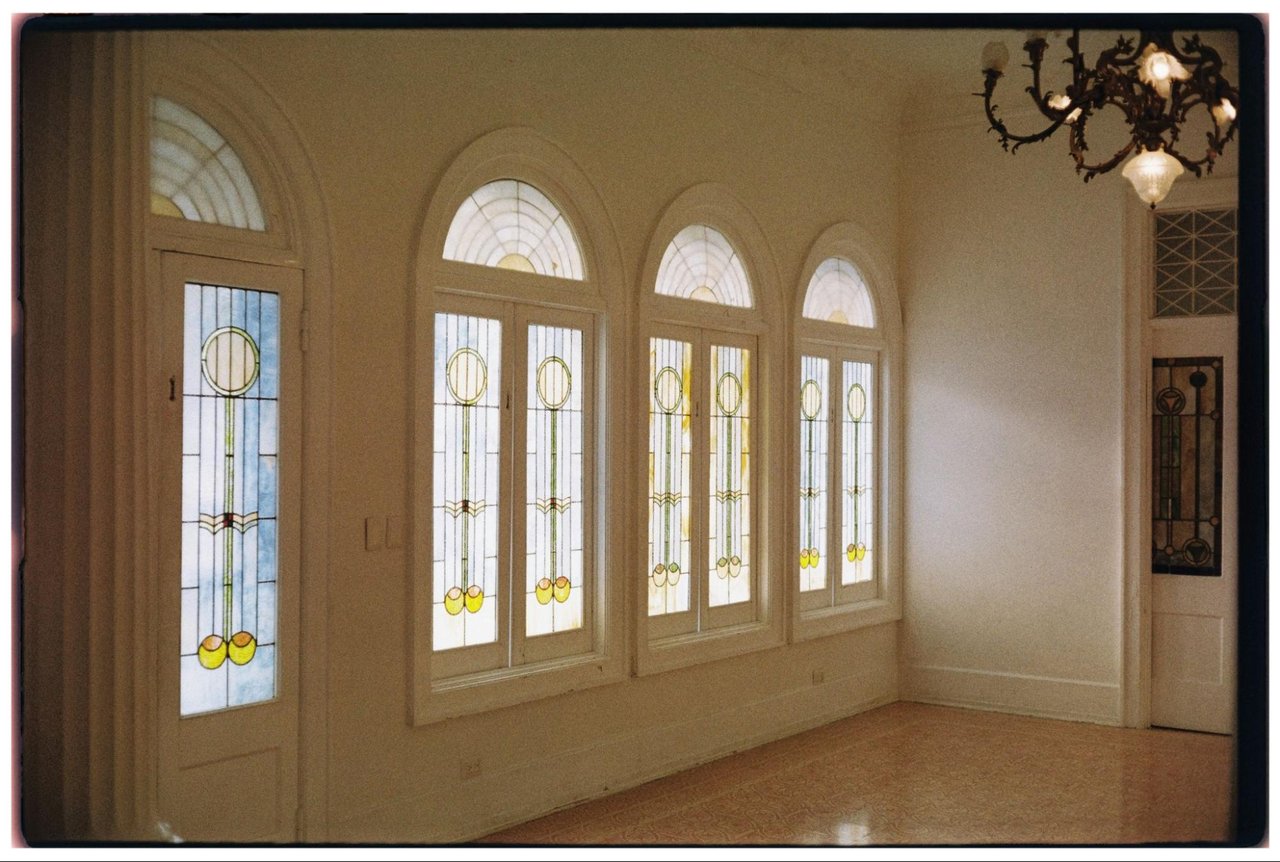
- Original woodwork, windows, tile, and built-ins are difficult to replicate and highly valued by future buyers.
- Restoration supports eligibility for incentives like the Mills Act, which rewards preservation with tax savings.
- Repairing original features rather than replacing the windows is often more durable, more appropriate, and less costly over time than it first looks.
- In a designated district, character-driven homes tend to hold their appeal, and there's a deep bench of local preservation help to get the details right.
The Case for Thoughtful Renovation
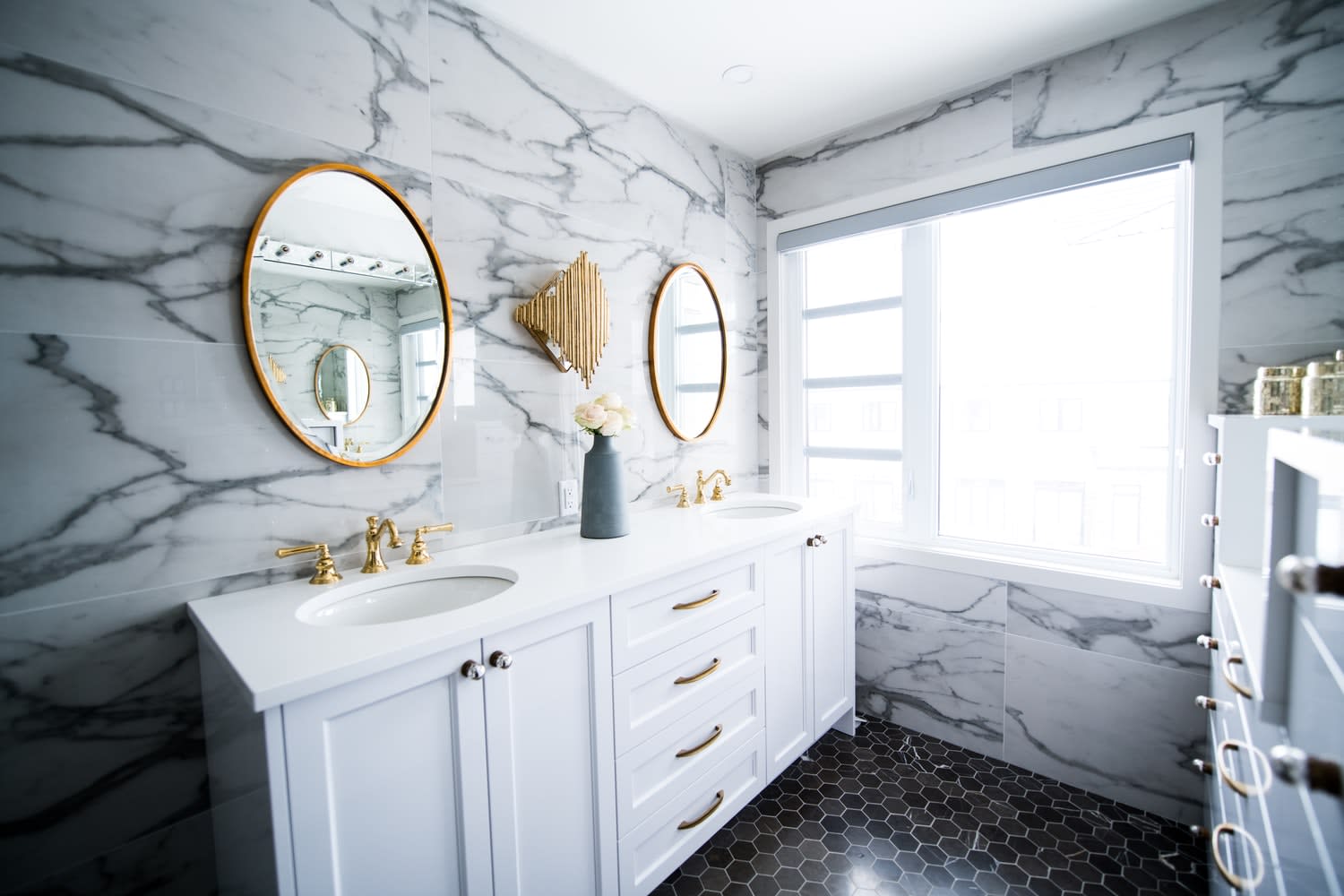
Of course, a home has to work for the people living in it, and few of us want to live exactly as people did a hundred years ago. Smart renovation, especially inside, lets you gain modern comfort without erasing what makes the home special.
The goal is updating with intention rather than stripping character away.
The goal is updating with intention rather than stripping character away.
Making Renovation Work
- Focus major modern updates on interior spaces, where you have the most freedom and the least preservation risk.
- Improve systems like electrical, plumbing, HVAC, and insulation to bring comfort and efficiency up to today's standards.
- Keep exterior changes compatible with the home's era, so new work complements rather than competes with the original.
- Lean toward rehabilitation, which lets you modernize while keeping the historic fabric that gives the home its value.
FAQs
Is it cheaper to renovate than to restore a historic home?
It often can be in the short term, since restoration may require specialized trades and historically accurate materials. That said, preserving original features can protect long-term value in Pasadena's historic districts, so we'd weigh both the upfront cost and the resale picture before deciding.
Do I have to restore my home to its original condition?
Not at all. Pasadena's rules focus on visible exterior changes, and even those allow compatible updates. Inside, you generally have the freedom to renovate for modern living, which is why so many owners choose a rehabilitation approach.
Will modernizing hurt my home's historic value?
It depends on how it's done. Thoughtful updates that respect a home's character usually enhance both livability and value, while changes that strip away original detail can work against you. We're glad to advise on where to invest and where to preserve.
Work With The Berns Team
Deciding how to approach a historic Pasadena home is a personal choice, and there's rarely a single right answer. What matters is making informed decisions that honor your home's character while fitting your life, and that's exactly where our experience in these neighborhoods can help.
When you're weighing a project or thinking about buying a historic home to make your own, reach out to The Berns Team. We'll help you protect what makes these homes special while making them work for you.
When you're weighing a project or thinking about buying a historic home to make your own, reach out to The Berns Team. We'll help you protect what makes these homes special while making them work for you.